
Introduction to 3mm Kidney Stone
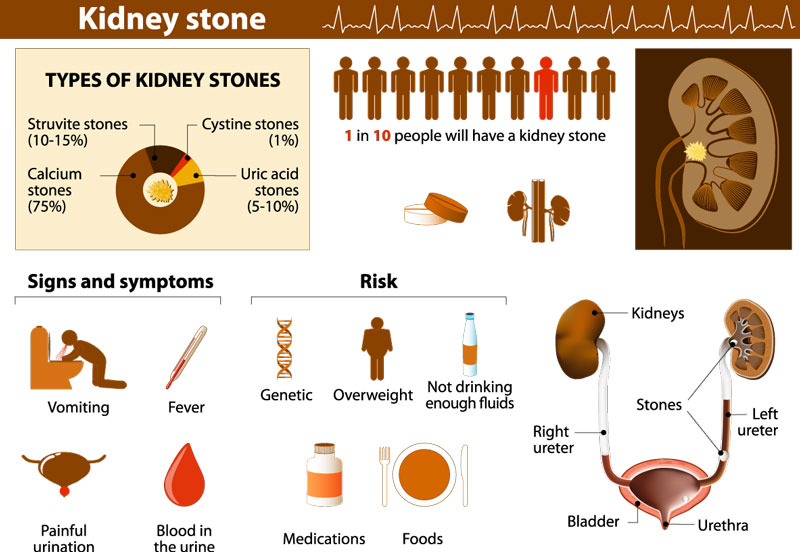
Kidney stones form hard deposits in kidneys. Minerals crystallize from concentrated urine. Small stones like a 3mm kidney stone often pass without intervention. Larger ones require medical help. One in ten people develops kidney stones lifetime. Men face higher risk in 30s and 40s. Dehydration accelerates stone formation.
High-protein diets contribute significantly. Family history increases susceptibility. Obesity links closely to stones. Certain medications elevate risks. Infections trigger specific types. Early detection prevents complications. Hydration remains key defense. Lifestyle changes reduce recurrence. Medical advances improve treatments. Patients regain normal life quickly.
What Causes a 3mm Kidney Stone?
Urine contains crystal-forming substances. Calcium, oxalate, and uric acid build up. Fluid shortage allows crystals to stick. Dehydration from low water intake promotes this. High-sodium diets increase calcium in urine. Animal proteins raise uric acid levels. Oxalate-rich foods like spinach contribute. Genetic disorders cause cystine stones.
Infections lead to struvite stones. Obesity alters urine chemistry. Diabetes boosts risk factors. Gastric bypass surgery affects absorption. Vitamin C supplements form oxalates. Certain antacids add calcium. Parathyroid issues raise calcium. Inflammatory bowel disease changes minerals. Cystic fibrosis impacts fluids. High blood pressure correlates strongly. Family genes play major role. Environmental heat causes sweating. Insufficient hydration concentrates urine. Medications like diuretics worsen conditions. Poor diet habits accumulate risks.
Calcium oxalate stones dominate cases. They form 75% of stones. Uric acid stones follow at 5-10%. Struvite stones grow quickly from bacteria. Cystine stones arise rarely from inheritance. Low urine volume invites all types. Acidic urine favors uric acid. Alkaline urine suits struvite. High oxalate from nuts harms. Chocolate and tea add oxalates.
Beets and rhubarb elevate levels. Wheat bran binds minerals. Soda with phosphate risks. Grapefruit juice may worsen. Low calcium diets paradoxically increase oxalates. Supplements differ from food calcium. Processed foods hide sodium. Meats like red boost purines. Organ meats spike uric acid. Beer and alcohol dehydrate. Sardines and anchovies add purines. Chronic diarrhea reduces fluids. Type 2 diabetes alters pH. Gout links to uric acid. Distal renal tubular acidosis acidifies. Hyperparathyroidism floods calcium.
Recognizing Symptoms of a 3mm Kidney Stone
Stones stay silent until moving. Pain strikes suddenly in back. It radiates to side and groin. Waves intensify the discomfort. Urination burns painfully. Urine turns pink or red. Blood indicates irritation. Frequent urges disrupt routines. Small amounts pass often. Nausea overwhelms the body. Vomiting follows severe pain. Fever signals infection. Chills accompany high temperature. Urine smells foul sometimes. Cloudiness suggests issues. Lower abdomen aches. Groin feels tender. Pain shifts with stone movement. Symptoms vary by location. Ureter blockage swells kidney. Hydronephrosis causes more pain. Infections spread quickly. Persistent bleeding alarms patients. Difficulty urinating needs attention.

Small stones like 3mm kidney stone trigger colic. Renal colic mimics cramps. It starts below ribs. Pain moves downward gradually. Intensity fluctuates over hours. Rest offers no relief. Positions change nothing. Nausea links to nerve overlap. Vomiting dehydrates further. Fever above 100.4 warns. Chills indicate systemic response.
Urine darkens with blood. Microscopic blood hides sometimes. Urgency mimics UTI. Burning resembles infection. Foul odor points bacteria. Cloudiness from pus or crystals. Groin pain confuses diagnoses. Testicular pain occurs in men. Labia discomfort affects women. Symptoms resolve after passing. Recurrence signals underlying issues. Monitoring tracks patterns. Journaling aids doctors. Early symptoms prevent escalation.
How Doctors Diagnose Kidney Stones
Physicians review medical history. They ask about symptoms. Family background reveals risks. Diet habits uncover causes. Physical exams check pain. Flank tenderness indicates issues. Blood tests measure calcium. They detect infections too. Uric acid levels guide. Kidney function assesses creatinine. Urine tests spot blood. They identify crystals present. Infection cultures grow bacteria. 24-hour collections analyze volume.
They quantify oxalates and citrate. Imaging confirms stones. CT scans detail size. They locate precisely. Ultrasound avoids radiation. It suits pregnant patients. X-rays show calcium stones. They miss uric acid. IVP dyes highlight tracts. Analysis types stones post-passage. Labs classify composition. Follow-ups monitor growth. Silent stones appear incidentally. ER uses CT often. Quick diagnosis eases pain.
For 3mm kidney stone, imaging pinpoints. Size determines passage odds. Location affects symptoms. Number counts complications. Type influences treatment. Blood work rules conditions. Urine pH guides prevention. Stone analysis prevents recurrence.
History notes prior episodes. Diet recall adjusts plans. Medication list avoids interactions. Obesity measurement sets goals. Hydration status evaluates. Fever checks infection. Blood pressure links risks. Pulse monitors distress. Abdominal exam rules others. Neurologic checks exclude mimics. Comprehensive approach ensures accuracy. Patient input refines diagnosis. Technology speeds process. Specialists consult complex cases.
Treatment Options for 3mm Kidney Stone
Small stones pass naturally often. 3mm kidney stone has 80% chance. Drink water to flush. Aim 2-3 liters daily. Pain meds relieve discomfort. Ibuprofen reduces inflammation. Avoid during attacks sometimes. Alpha-blockers relax ureters. Tamsulosin aids passage. Nifedipine helps similarly. Anti-nausea drugs control vomiting. Monitor progress weekly.
Follow-up scans check status. Passage takes 1-2 weeks. Bladder exit speeds up. Straining urine catches fragments. Analysis identifies type. Home rest eases symptoms. Heat pads soothe pain. Over-counter options work initially. Prescription strength handles severe. Infections need antibiotics. Prompt treatment prevents spread.
If stuck, procedures intervene. Shockwave lithotripsy breaks stones. Sound waves target externally. Anesthesia eases process. Same-day discharge common. Recovery spans days. Ureteroscopy inserts scope. Laser fragments stones. Basket removes pieces. Stent may stay temporarily. No incisions needed. Outpatient basis suits. Percutaneous nephrolithotomy for larger. Incision accesses kidney. Probe suctions fragments.
Hospital stay follows. Laparoscopic surgery rarely used. Open operations minimal now. Type dictates method. Calcium responds to shockwaves. Uric acid dissolves meds. Allopurinol lowers uric. Potassium citrate alkalinizes. Thiazides reduce calcium. Antibiotics clear struvite. Cystine drugs bind. Tailored plans optimize. Specialists guide choices. Complications like blockage urgency. Single kidney aggressive care. Success rates high overall.
Medical expulsive therapy accelerates. It combines fluids and meds. Monitoring avoids damage. Pain management prioritizes. Hydration prevents new. Diet changes post-treatment. Follow-ups every 6 months. Imaging tracks remnants. Urine tests adjust. Lifestyle coaching supports. Support groups share experiences. Research advances options. Minimally invasive trends. Laser tech improves. Robotic aids precision. Patient education empowers. Compliance boosts outcomes. Recurrence drops with adherence.
Home Remedies to Manage and Pass Kidney Stones
Hydration tops remedies list. Water dilutes urine minerals. Lemon juice adds citrate. It binds calcium effectively. Drink half cup daily. Apple cider vinegar acidifies. Mix two tablespoons water. Basil tea reduces uric acid. It eases inflammation too. Brew fresh leaves. Dandelion root stimulates kidneys. Tea form aids flushing. Pomegranate juice lowers acidity. It prevents crystal formation. Wheatgrass boosts urine flow. Juice provides nutrients.
Celery juice cleanses tracts. It fights bacteria. Kidney bean broth dissolves. Boil pods thoroughly. Horse gram soup helps. It breaks small stones. Avoid excess oxalate foods. Limit spinach and nuts. Pair with calcium sources. Yogurt binds oxalates. Exercise promotes passage. Walking shakes stones loose. Heat therapy relaxes muscles. Apply pads to flank. Rest avoids strain. Monitor urine color. Clear indicates hydration.
Herbal options show promise. Green tea antioxidants protect. Raspberry leaves tone ureters. Common madder dissolves. Parsley cleanses naturally. Pomegranate seeds reduce. Mastic gum fights infection. Yellow-fruit nightshade aids. Stinging nettle flushes. Horse gram pulses work. Khella relaxes smooth muscle.
Black-cumin seeds anti-inflammatory. Roselle tea increases clearance. Oregano oils antibacterial. Clinical trials support some. Uricosuric effects noted. Plant-based diets lower risks. Fruits and veggies alkalize. Beans provide protein alternative. Lentils replace meat. Chickpeas add fiber. Cranberries prevent UTIs. Avoid sugary drinks. Limit salt intake. Home tracking journals progress. Consult doctors before starting. Interactions check meds. Natural ways complement medical.
Prevention Strategies for Kidney Stones
Drink plenty fluids daily. Water prevents concentration. Aim light urine color. Citrus fruits increase citrate. Lemons and oranges help. Low-sodium diet reduces calcium. Limit 2300 mg intake. Eat calcium-rich foods. Dairy binds oxalates intestines. Avoid supplements unless advised. Cut animal proteins. High purines form uric. Choose plant sources instead. Beans and lentils suffice. Limit oxalate foods. Spinach and beets moderate.
Nuts and chocolate sparingly. Tea and rhubarb control. Maintain healthy weight. Obesity raises risks. Exercise regularly balances. Fruits and veggies abound. Five servings minimum. Low-sugar avoids spikes. Avoid crash diets. Steady changes sustain. Medications if needed. Thiazides for calcium. Allopurinol for uric. Potassium citrate alkalinizes. Antibiotics prevent struvite. Cystine drugs specific. Regular check-ups monitor. Urine tests guide adjustments.
:max_bytes(150000):strip_icc()/Best-Foods-to-Eat-to-Prevent-Kidney-Stones-4f4bd0e0fedb45d6b9562d315e9ca7db.jpg)
Lifestyle integrates prevention. Hydrate in heat. Sweat replaces fluids. Coffee and tea count. Lemonade hydrates tastily. Avoid fizzy sodas. Salt hides in processed. Read labels carefully. Fresh foods prioritize. Meats limit portions. Poultry and eggs moderate. Seafood watches purines. Alcohol dehydrates body. Beer raises uric. Wine in moderation. Stress management helps. Yoga relaxes systems. Sleep aids recovery. Smoking cessation benefits. Environmental factors consider. Warm climates hydrate more. Occupational sweating accounts. Family education spreads. Community resources support. Long-term adherence prevents. Recurrence halves with efforts.
When to See a Doctor for Kidney Stone Issues
Seek help for severe pain. Unbearable discomfort signals blockage. Fever with chills indicates infection. Nausea and vomiting dehydrate. Blood in urine alarms. Difficulty urinating needs urgency. Inability to pass urine emergencies. Persistent symptoms warrant checks. History of stones prioritizes. Pre-existing kidney disease risks.
Single kidney aggressive. High fever over 101 acts. Shaking chills systemic. Confusion from infection. Rapid heart rate distress. Low blood pressure shocks. Swelling in abdomen. Tenderness on touch. Recurrent episodes consult. Specialists evaluate thoroughly. ER for acute. Primary care follows. Urologists specialize treatments. Prompt action prevents damage. Kidney function preserves. Complications avoid escalation.
Conclusion: Managing Life with Kidney Stone Risks
Kidney stones challenge many. A 3mm kidney stone manages well often. Knowledge empowers prevention. Hydration and diet transform risks. Treatments advance rapidly. Patients recover fully. Lifestyle choices sustain health. Recurrence drops significantly. Support networks aid journeys. Research promises more. Live actively despite. Monitor body signals. Doctors partner care. Future brightens outcomes. Commitment yields results. Health thrives accordingly.
READ ALSO: Signs Herniated Disc Is Healing – What to Expect During Recovery