
Understanding the ACL and Its Role
The anterior cruciate ligament (ACL) is a key ligament in the knee that provides stability. It connects the femur (thigh bone) to the tibia (shin bone) and prevents the knee from moving excessively forward. Athletes, especially in sports like soccer, basketball, and skiing, commonly injure the ACL.
When this ligament tears, it impacts mobility, strength, and balance. Understanding what does a torn ACL feel like helps in recognizing the injury early and seeking proper treatment.
Common Causes of ACL Tears
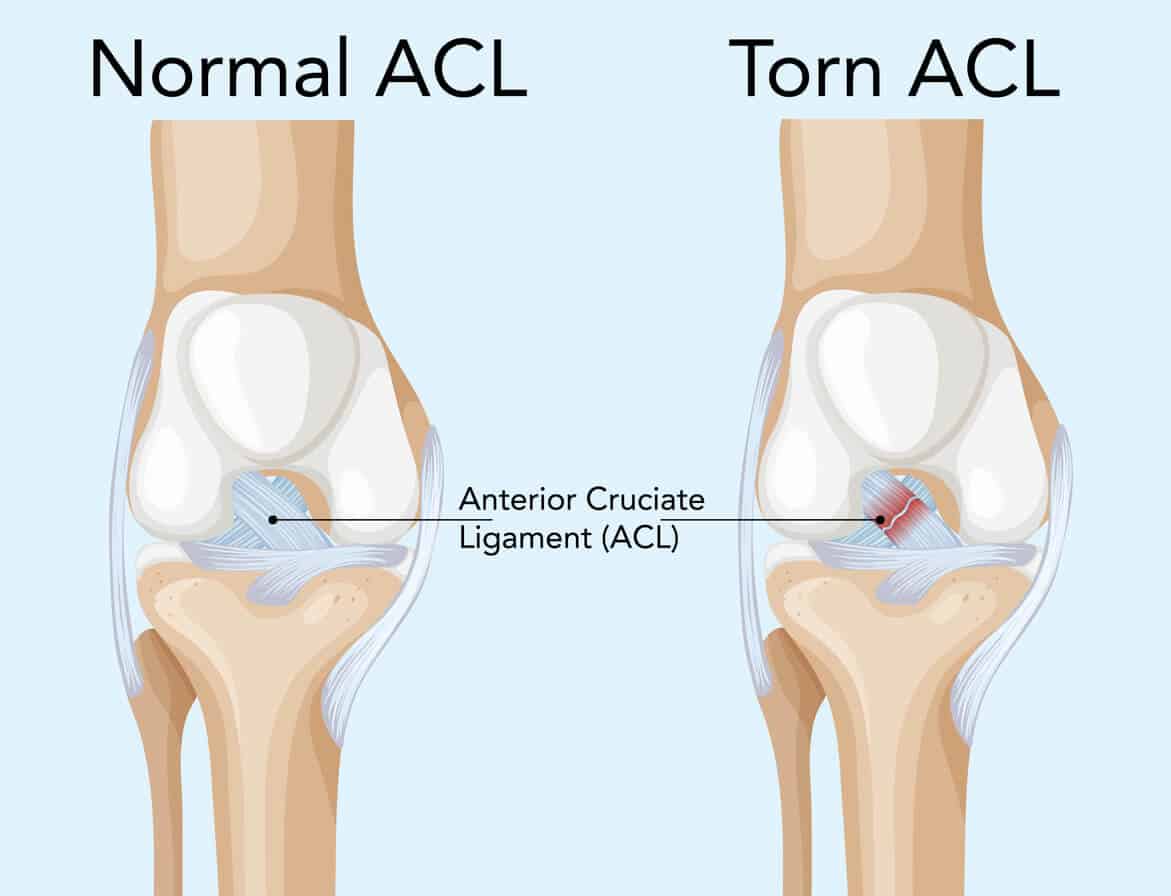
ACL injuries occur mostly due to sudden movements or high-impact activities. Some typical causes include:
- Sudden stops or changes in direction: Quick pivots during sports can strain the ACL.
- Jumping and landing incorrectly: Poor landing mechanics can overload the ligament.
- Direct collisions: Contact sports may involve hits to the knee, causing a tear.
- Overextension of the knee: Twisting the knee beyond its natural range can tear the ACL.
Genetics and anatomy also play a role. People with naturally looser ligaments or certain knee shapes may face higher risks.
Immediate Sensations of a Torn ACL
When someone experiences an ACL tear, several distinct sensations can occur. Knowing what does a torn ACL feel like helps differentiate it from minor sprains.
- A loud “pop” sound: Many patients report hearing a pop at the moment of injury.
- Severe pain: Sharp, intense pain appears immediately, often making weight-bearing difficult.
- Knee instability: The knee may feel loose or like it could give out when standing.
- Swelling: Rapid swelling occurs within hours due to internal bleeding in the joint.
- Limited range of motion: Bending or straightening the knee becomes painful and restricted.
These symptoms often appear suddenly, especially during sports or high-stress movements.
Long-Term Signs and Discomfort
After the initial injury, the knee can continue to show discomfort and instability. Recognizing ongoing symptoms is crucial:
- Persistent swelling: Fluid accumulation may last for days or weeks.
- Chronic instability: Simple activities like walking or climbing stairs may feel risky.
- Tenderness along the joint line: Pressing around the knee can cause discomfort.
- Pain during pivoting or twisting: Sudden rotational movements may trigger sharp pain.
Ignoring these signs can lead to further damage, including meniscus tears or early arthritis.
How Doctors Diagnose ACL Tears
Medical professionals use several methods to confirm an ACL tear. They consider both what does a torn ACL feel like and objective testing.
Physical Examination
Doctors check for:
- Lachman test: Measures forward movement of the tibia compared to the femur.
- Anterior drawer test: Detects excessive forward tibial motion.
- Pivot shift test: Assesses rotational stability of the knee.
Imaging Tests
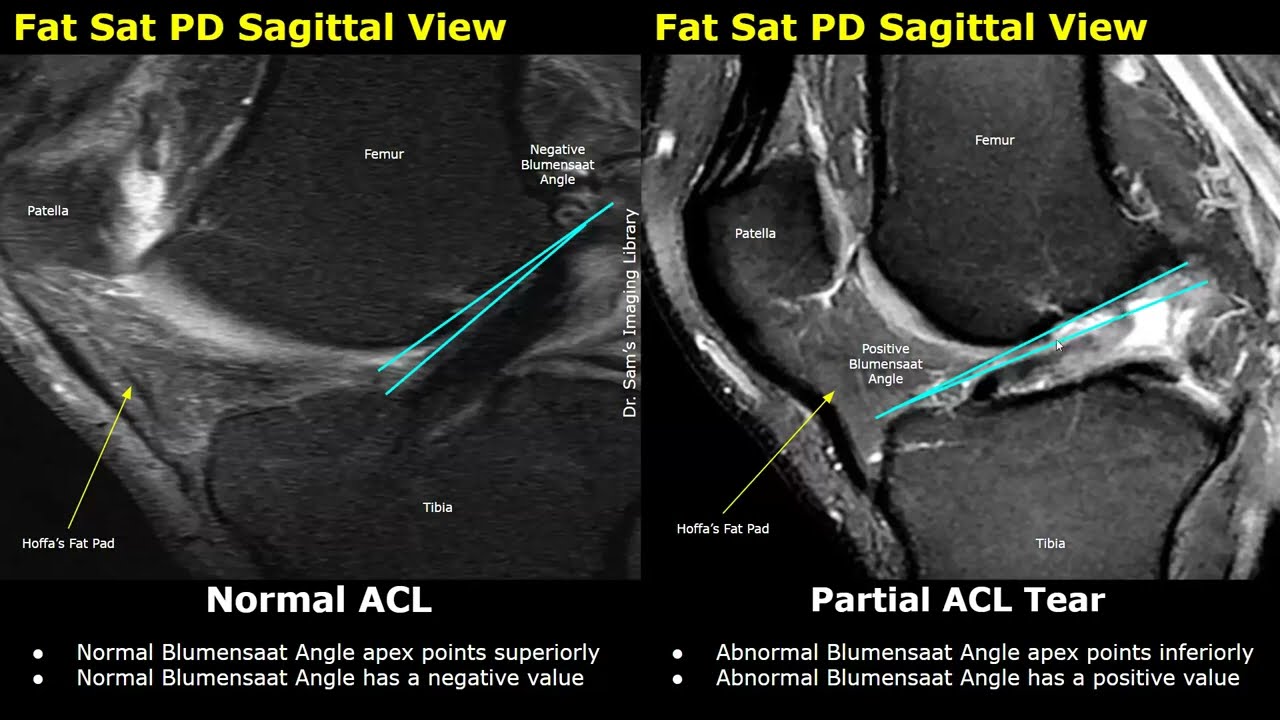
- MRI scans: Reveal ligament tears and associated injuries.
- X-rays: Rule out bone fractures that may accompany the tear.
Early diagnosis ensures faster recovery and prevents secondary injuries.
Treatment Options for ACL Injuries

Treatment depends on activity level, age, and injury severity. Most approaches focus on restoring stability and preventing further damage.
Non-Surgical Treatment
For partial tears or low-activity individuals:
- Rest and activity modification: Avoid movements that stress the knee.
- Physical therapy: Strengthens surrounding muscles to stabilize the knee.
- Bracing: Supports the knee during daily activities.
- Anti-inflammatory medications: Reduce pain and swelling.
Non-surgical care can work, but some patients may experience ongoing instability.
Surgical Treatment
Surgery is recommended for complete tears or active individuals:
- ACL reconstruction: Surgeons replace the torn ligament with a tendon graft.
- Post-surgery rehabilitation: Exercises restore strength, flexibility, and motion.
- Recovery timeline: Most patients return to sports in 6–12 months.
Modern surgical techniques and rehab programs significantly improve outcomes.
Rehabilitation and Recovery Process
Recovery after an ACL injury is gradual and requires commitment. Physical therapy plays a central role.
Early Rehabilitation
- Control swelling: Ice and compression reduce inflammation.
- Restore range of motion: Gentle exercises prevent stiffness.
- Activate muscles: Quadriceps and hamstrings are strengthened cautiously.
Advanced Rehabilitation
- Balance and proprioception training: Improves stability and coordination.
- Functional movements: Squats, lunges, and controlled pivots prepare the knee for activity.
- Sports-specific drills: Gradual return to running, jumping, and cutting movements.
Consistency and patience are essential for full recovery and avoiding reinjury.
Preventing ACL Injuries
Even after recovery, preventing future injuries is important. Proper technique, strength, and conditioning reduce risk:
- Strength training: Focus on quadriceps, hamstrings, and hip muscles.
- Plyometric exercises: Practice safe jumping and landing techniques.
- Balance and agility drills: Improve knee stability during sudden movements.
- Proper footwear: Wear shoes suitable for the sport and surface.
Preventive programs can lower the risk of ACL tears by up to 50%.
Coping with the Emotional Impact
ACL injuries affect more than just physical health. Athletes and active individuals often face frustration and anxiety.
- Mental resilience: Set realistic recovery goals.
- Support networks: Family, friends, and trainers provide motivation.
- Professional counseling: Helps manage fear of reinjury and performance pressure.
Emotional care complements physical rehabilitation for a full return to activity.
Frequently Asked Questions (FAQs)
How long does it take for a torn ACL to heal?
Recovery can take 6–12 months depending on the injury and treatment plan.
Can I walk with a torn ACL?
Mild tears may allow walking, but instability and pain are common.
What exercises help after ACL surgery?
Quadriceps strengthening, hamstring curls, and balance exercises are key.
Can ACL injuries heal on their own?
Partial tears may improve with therapy, but complete tears often require surgery.
Conclusion
Understanding what does a torn ACL feel like helps in early recognition and treatment. Prompt medical care, proper rehabilitation, and preventive strategies ensure long-term knee health. Whether through surgery or therapy, recovery is possible with dedication. Awareness, preparation, and care remain essential for athletes and active individuals to maintain stability and prevent future injuries.
READ ALSO: Understanding Severe Neck Pain and Headache Base of Skull: Causes, Symptoms, and Treatments