
Table of Contents
ToggleIntroduction
An itemized bill gives a detailed breakdown of every charge in a transaction. It helps you see exactly what you pay for and why. Many industries use this format to ensure clarity and transparency. Healthcare, hospitality, and retail sectors rely on it heavily. You can use it to track spending and detect billing errors. This guide explains everything you need to know about an itemized bill. It covers benefits, components, and tips for reviewing charges.
What Is an Itemized Bill?
An itemized bill lists each product or service separately with its cost. It shows quantities, unit prices, and total amounts clearly. Businesses use this format to provide full pricing transparency. Customers benefit from clear and detailed billing information. You can compare services and verify charges easily. This document often includes taxes, discounts, and additional fees. It creates trust between businesses and customers.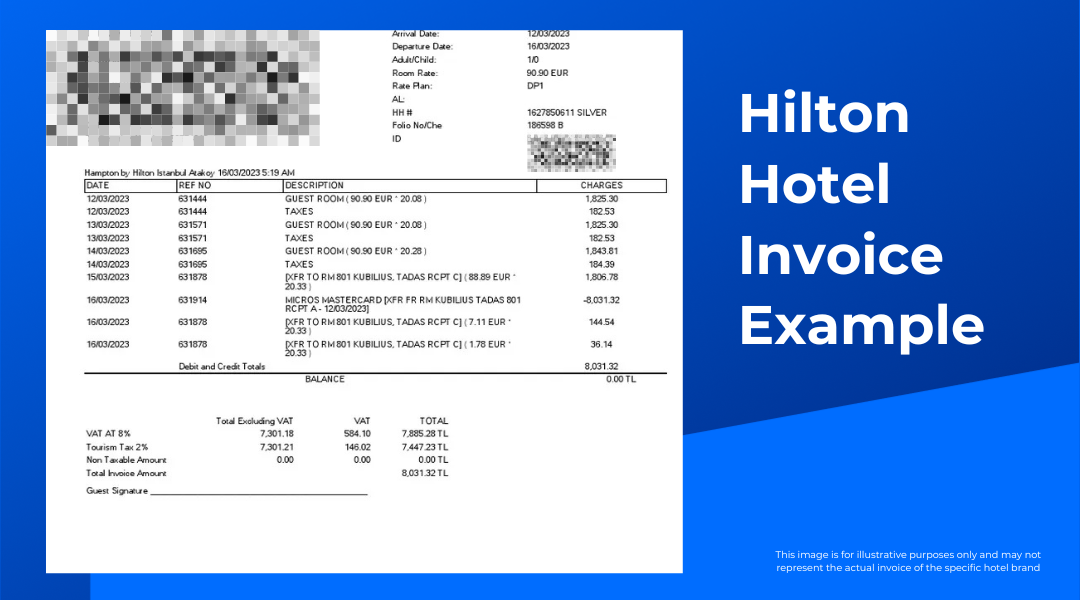
Why an Itemized Bill Matters
Transparency in Transactions
An itemized bill promotes complete transparency in financial transactions. It shows every charge in a clear format. Customers understand where their money goes. This transparency reduces confusion and disputes.
Error Detection
You can easily identify errors when you review each line item. Mistakes often occur in complex billing systems. Detailed breakdowns help you catch overcharges quickly. You can request corrections with solid proof.
Better Financial Management
Detailed bills help you track your spending habits. You can analyze expenses across categories. This insight supports better budgeting decisions. It also helps reduce unnecessary spending.
Key Components of an Itemized Bill
Description of Services or Products
Each line includes a clear description of the item. This description explains what you purchased. It may include model numbers or service details. Accurate descriptions improve clarity.
Quantity and Unit Price
The bill shows how many items you purchased. It also lists the price per unit. These details allow easy calculation of totals. You can confirm the pricing accuracy quickly.
Total Charges
Each line displays the total cost for that item. It multiplies quantity by unit price. This structure ensures simple and transparent calculations.
Taxes and Additional Fees
The bill includes applicable taxes and service charges. These charges vary by location and industry. You should always review these fees carefully.
Discounts and Adjustments
Businesses may apply discounts or promotional offers. These appear as deductions on the bill. They reduce the final payable amount.
Common Types of Itemized Bills
Medical Bills
Healthcare providers issue detailed billing statements. These include consultation fees, tests, and treatments. Patients use them to understand healthcare costs. Insurance companies also require them for claims.
Hotel Bills
Hotels provide detailed billing for room charges and services. These include food, beverages, and laundry services. Guests review them during checkout.
Restaurant Bills
Restaurants list each dish and beverage separately. Customers can verify orders and pricing. This ensures accurate billing.
Utility Bills
Utility companies provide breakdowns of usage and charges. These include electricity, water, and gas consumption. Customers track usage patterns with ease.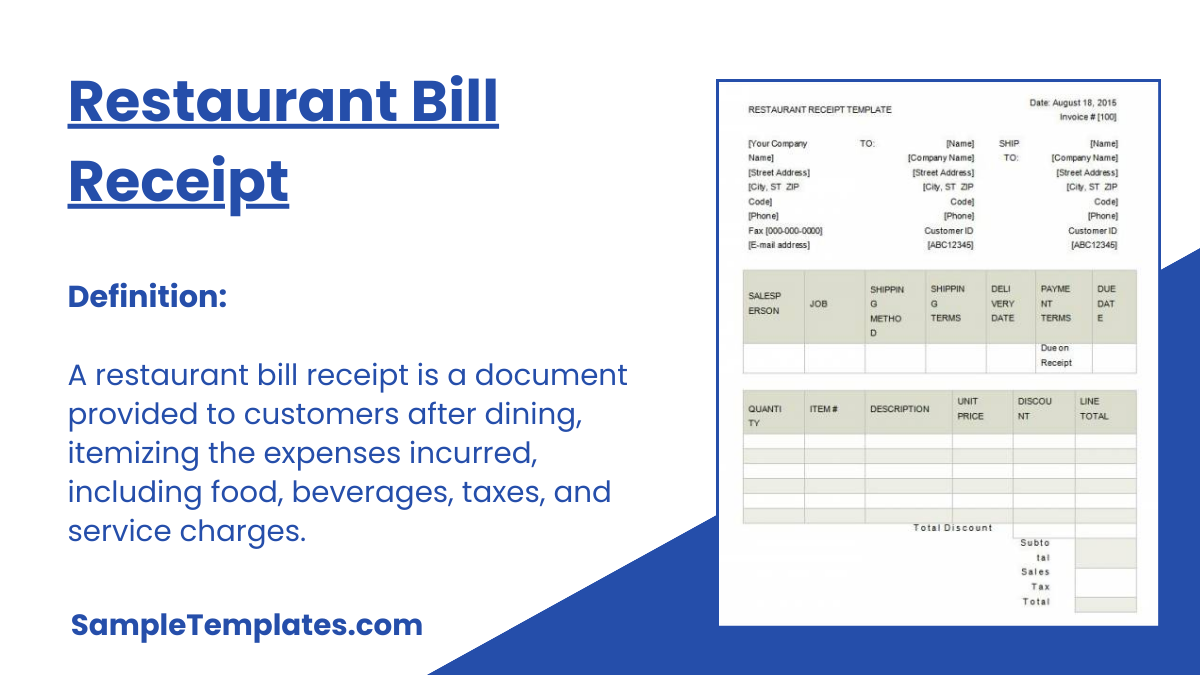
How to Read an Itemized Bill Effectively
Step 1: Check Personal Information
Always verify your name and account details first. Errors here can lead to billing issues. Correct information ensures accurate processing.
Step 2: Review Each Line Item
Examine every charge listed on the bill. Look for unfamiliar items or services. Ensure all charges match your usage or purchases.
Step 3: Verify Pricing
Check unit prices and totals carefully. Compare them with agreed rates or menu prices. Identify any discrepancies immediately.
Step 4: Look at Taxes and Fees
Review all additional charges. Ensure taxes follow local regulations. Question any unclear or unexpected fees.
Step 5: Confirm Final Amount
Ensure the final amount matches the sum of all charges. Double-check calculations if necessary. Accuracy prevents overpayment.
Benefits of Using an Itemized Bill
Improved Accuracy
Detailed billing reduces the chances of errors. Each charge appears clearly for verification. This accuracy benefits both businesses and customers.
Enhanced Trust
Transparency builds trust between parties. Customers feel confident about fair pricing. Businesses gain credibility through clear billing practices.
Easy Record Keeping
You can store detailed bills for future reference. They help during audits and expense tracking. Organized records improve financial management.
Simplified Dispute Resolution
Clear breakdowns support quick dispute resolution. You can point to specific charges easily. This speeds up corrections and refunds.
Challenges Associated with Itemized Bills
Complexity in Large Bills
Large bills can become difficult to review. Multiple line items may overwhelm customers. Careful review requires time and attention.
Potential for Misinterpretation
Some descriptions may confuse customers. Technical terms often appear in medical billing. Clear explanations help reduce confusion.
Time-Consuming Review Process
Reviewing every detail takes time. Busy customers may skip this step. Skipping increases the risk of unnoticed errors.
Tips to Avoid Billing Errors
Keep Receipts and Records
Always save receipts and invoices. They help you compare charges with the bill. Organized records support accurate verification.
Ask Questions Immediately
Contact the provider if you notice discrepancies. Quick action ensures faster resolution. Do not delay raising concerns.
Understand Pricing Structures
Learn how pricing works in the service industry. This knowledge helps you detect unusual charges. Awareness reduces confusion.
Use Digital Tools
Many apps help track expenses and bills. They organize data for easy review. Digital tools improve efficiency.
Role of Technology in Itemized Billing
Automation in Billing Systems
Modern systems generate bills automatically. They reduce human errors significantly. Automation ensures consistent and accurate billing.
Digital Access and Convenience
Customers can access bills online anytime. Digital copies improve convenience and accessibility. You can review them on any device.
Integration with Payment Systems
Billing systems integrate with payment platforms. This allows seamless transactions. Customers can pay directly from digital bills.
Itemized Bill vs Summary Bill
Detailed vs General Overview
An itemized bill provides a detailed breakdown of charges. A summary bill shows only the total amount. Detailed bills offer more transparency.
Better for Verification
Detailed billing allows easy verification of charges. Summary bills limit visibility. Customers benefit more from detailed formats.
Preferred for Claims and Audits
Insurance and audits require detailed documentation. Summary bills often lack necessary details. Detailed bills meet these requirements.
Legal and Compliance Aspects
Importance of Accurate Billing
Accurate billing ensures compliance with regulations. Businesses must provide clear and truthful information. This protects consumer rights.
Consumer Protection Laws
Many regions enforce billing transparency laws. These laws require detailed billing formats. They aim to prevent fraud and overcharging.
Documentation for Legal Disputes
Detailed bills serve as legal evidence. They support claims in disputes. Proper documentation strengthens your case.
Best Practices for Businesses
Use Clear Descriptions
Always use simple and clear language. Avoid technical jargon when possible. Clarity improves customer understanding.
Maintain Consistency
Ensure consistent formatting across all bills. Standard formats improve readability. Customers recognize familiar structures easily.
Provide Customer Support
Offer support for billing-related queries. Quick responses build trust. Good service enhances customer satisfaction.
Regularly Update Billing Systems
Keep billing systems updated with current regulations. Updates improve accuracy and compliance. They also enhance efficiency.
Conclusion
An itemized bill plays a crucial role in modern transactions. It ensures transparency, accuracy, and trust between businesses and customers. You can use it to track expenses and detect errors. Understanding its components helps you review charges effectively. Businesses benefit from improved credibility and customer satisfaction. Always review your bills carefully and ask questions when needed. Clear and detailed billing supports better financial decisions and stronger relationships.
READ ALSO: Healing Time for Gall Bladder Removal: Complete Recovery Guide