
Athletes push their bodies hard during intense training sessions and office workers sit for hours at desks, so both groups often feel sharp or dull aches deep in their glute area. Understanding how to relieve buttock muscle pain starts with recognizing the muscles involved and the daily habits that trigger discomfort.
You target the gluteus maximus, medius, minimus, and the deep piriformis muscle when you address this issue, because these powerful muscles stabilize your hips, support posture, and power movements like walking, running, and climbing stairs. Tightness or strain here radiates pain to the lower back or down the leg, which disrupts sleep, limits mobility, and reduces overall quality of life. People who ignore early signs often face prolonged recovery, yet simple, consistent actions deliver fast relief and prevent recurrence.
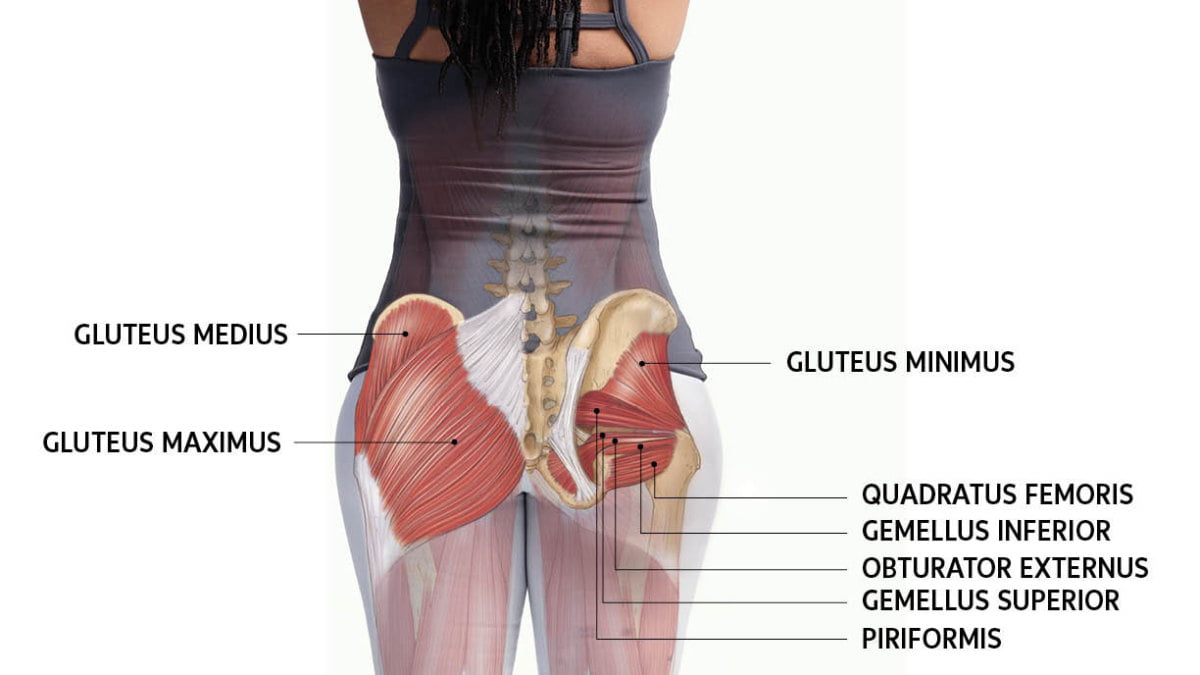
The glute muscles form a complex network that connects your pelvis to your thighs. You engage the gluteus maximus for powerful hip extension during squats or sprints, while the medius and minimus keep your pelvis level during single-leg activities. The piriformis, a small but mighty rotator, sits beneath these larger muscles and frequently tightens from overuse or poor posture. When any of these muscles inflame or spasm, you feel localized tenderness, stiffness upon waking, or pain that worsens with prolonged sitting. Effective relief begins when you identify the root cause rather than masking symptoms with temporary fixes.
Common Causes of Buttock Muscle Pain
Sedentary lifestyles force your glutes into constant compression, which weakens the muscles and creates trigger points that refer pain elsewhere. You develop buttock muscle pain when you sit for more than six hours daily without breaks, because prolonged pressure compresses blood flow and irritates nerve pathways. Runners and cyclists overload the piriformis through repetitive hip rotation, which leads to inflammation known as piriformis syndrome. This condition mimics sciatica and sends shooting sensations down the leg because the tight muscle presses on the sciatic nerve.
Injuries from sudden falls, awkward lifts, or sports collisions strain the gluteal tendons and create micro-tears that heal slowly without proper care. You also experience pain when muscle imbalances occur—weak glutes force the lower back and hamstrings to compensate, which sets up a cycle of tightness and fatigue. Pregnancy adds extra stress as the body releases relaxin hormone, which loosens ligaments but burdens the glute muscles that support the growing belly. Poor footwear or leg-length discrepancies shift your gait and overload one side, which creates asymmetrical strain that builds over months. Cold weather tightens muscles further, and dehydration reduces tissue elasticity, so you feel stiffness even after light activity.
Recognizing the Symptoms Early
You notice buttock muscle pain through several clear signals that demand attention. Sharp pain when you stand from a seated position or climb stairs signals glute activation issues, while a deep ache after exercise points to overuse. Tenderness when you press the outer hip or sit on a firm surface reveals trigger points in the piriformis or gluteus medius. Numbness or tingling down the leg indicates nerve involvement, which requires immediate action to avoid chronic issues. Swelling or warmth around the area suggests inflammation that you address with targeted cooling techniques.
Limited range of motion when you cross your legs or rotate your hips outward warns of tightness that you correct through specific mobility work. Nighttime pain that wakes you from sleep often stems from unresolved daytime strain, and you restore comfort by adjusting sleep positions and using supportive pillows. Early recognition prevents the pain from spreading to the lower back or knees, which keeps your daily routine intact and maintains long-term mobility.
How to Relieve Buttock Muscle Pain at Home with Simple Remedies
You achieve fast relief when you combine rest with active recovery strategies that promote blood flow and reduce inflammation. Ice packs applied for 15 minutes several times daily constrict blood vessels and calm irritated tissues, while heat packs after the first 48 hours relax tight muscles and improve circulation. You alternate both therapies for maximum effect and always wrap the pack in a cloth to protect your skin. Over-the-counter anti-inflammatory medications ease pain temporarily, yet you pair them with movement rather than relying solely on pills.
Self-massage with your hands or a tennis ball targets deep knots effectively. You lie on your back, place the ball under the sore glute, and gently roll in small circles while breathing deeply to release tension. This technique breaks up adhesions and restores normal muscle length within days when you perform it consistently. Elevation of your legs while resting reduces swelling, and you elevate for 20 minutes after long periods of standing or sitting.
Stretching Routines That Deliver Real Results
You release tightness and restore flexibility when you incorporate daily stretches that lengthen the glutes and piriformis. The figure-four stretch stands out as one of the most effective moves. You lie on your back, cross one ankle over the opposite knee, and gently pull the uncrossed thigh toward your chest until you feel a deep stretch in the glute. Hold for 30 seconds, switch sides, and repeat three times per session. This stretch directly targets the piriformis and opens the hip joint, which reduces pressure on the sciatic nerve.
The pigeon pose from yoga delivers comprehensive relief across the entire glute region. You start in a plank position, bring one knee forward toward your wrist, extend the other leg back, and lower your hips while keeping your torso upright. You sink deeper into the stretch as comfort allows and hold for 45 seconds before switching sides. Regular practice improves hip mobility and prevents future flare-ups by balancing muscle length on both sides.
Seated spinal twists engage the deep rotators safely. You sit with legs extended, bend one knee, place the foot outside the opposite thigh, and twist your torso toward the bent knee while pressing the opposite elbow against it. This motion stretches the gluteus medius and improves spinal rotation, which eases referred pain. You perform these stretches slowly and never force the movement beyond mild discomfort to avoid injury.

Dynamic stretches like leg swings prepare the muscles for activity and maintain range of motion. You stand on one leg, swing the other forward and backward in a controlled arc, and gradually increase the height as the muscles warm up. This movement lubricates the hip joint and activates blood flow, which prepares you for exercise without strain.
Foam Rolling Techniques for Deep Tissue Release
You break down adhesions and improve muscle recovery when you use a foam roller on the glutes regularly. Position the roller under one glute while seated, cross the opposite ankle over the knee, and slowly roll back and forth across the sore area. You pause on tight spots for 20 to 30 seconds and breathe through the discomfort to encourage release. This self-myofascial release technique increases blood flow, reduces trigger point sensitivity, and accelerates healing after workouts.
You target the piriformis specifically by adopting a figure-four position on the roller and shifting your weight to isolate the deep muscle. Controlled movements prevent rolling too quickly, which maximizes the benefits and minimizes bruising. Daily sessions of 5 to 10 minutes yield noticeable improvements in flexibility and pain levels within one week. You combine foam rolling with stretching for synergistic effects that restore full function faster than either method alone.
:max_bytes(150000):strip_icc()/GettyImages-1460914265-7f2184bb88a84e2b8a714c2520db0d68.jpg)
Strengthening Exercises to Prevent Recurrence
You build resilient glutes when you perform targeted strengthening moves that correct imbalances and support proper posture. The glute bridge activates the entire posterior chain effectively. You lie on your back with knees bent, lift your hips toward the ceiling by squeezing your glutes, hold for three seconds at the top, and lower slowly. Three sets of 15 repetitions strengthen the gluteus maximus and stabilize the pelvis during daily movements.
Clamshells isolate the gluteus medius and minimus, which prevents hip drop and reduces strain on the lower back. You lie on your side with knees bent, keep your feet together, and lift the top knee while keeping the hips stacked. Slow, controlled repetitions build endurance without overloading the joints. Side-lying leg lifts further challenge the medius and improve lateral stability for activities like running or hiking.
Squats with proper form engage all glute muscles simultaneously. You stand with feet shoulder-width apart, lower your hips as if sitting back into a chair, and drive through your heels to return to standing while squeezing the glutes at the top. This compound movement builds functional strength that carries over to everyday tasks and sports performance.
Professional Treatments for Stubborn Cases
You consult a physical therapist when home methods fail to deliver lasting relief after two weeks. Therapists assess your movement patterns, identify specific weaknesses, and prescribe personalized exercises that correct imbalances. Manual therapy techniques like soft tissue mobilization break up scar tissue and restore normal gliding between muscle layers. Dry needling targets trigger points directly and provides rapid pain reduction for many patients.
Chiropractic adjustments realign the pelvis and sacrum, which relieves pressure on the glute muscles and sciatic nerve. You combine these sessions with home exercises to maintain progress between visits. Massage therapists skilled in deep tissue work release chronic tightness and improve circulation, which speeds recovery from overuse injuries. In rare cases, doctors recommend corticosteroid injections for severe inflammation, yet you view these as temporary bridges to active rehabilitation rather than permanent solutions.
How to Relieve Buttock Muscle Pain Through Lifestyle Adjustments
Consistent lifestyle changes reinforce the gains you make through stretching and strengthening. You schedule movement breaks every 45 minutes during desk work and perform quick glute activations or standing stretches to prevent stiffness. Ergonomic seating with lumbar support and a footrest maintains neutral pelvic alignment and reduces pressure on the buttocks. Supportive footwear with adequate cushioning absorbs shock during walking and prevents compensatory strain in the glutes.
Hydration and proper nutrition supply the muscles with essential electrolytes and protein for repair. You aim for 3 liters of water daily and include anti-inflammatory foods like berries, fatty fish, and leafy greens in your meals. Quality sleep on a supportive mattress allows tissues to recover overnight, and you use a pillow between your knees when side-sleeping to keep the hips aligned. Stress management through deep breathing or meditation lowers cortisol levels that otherwise tighten muscles throughout the body.
how to relieve buttock muscle pain becomes sustainable when you integrate these habits into your daily routine rather than treating them as temporary fixes. Tracking your progress in a journal helps you identify patterns and adjust strategies for optimal results.
Prevention Strategies for Long-Term Comfort
You maintain pain-free glutes when you warm up properly before exercise and cool down afterward with gentle stretches. Progressive training programs gradually increase intensity to avoid sudden overload on the muscles. Cross-training with swimming or cycling reduces repetitive stress while still building endurance. Regular yoga or Pilates sessions improve overall flexibility and core strength, which supports the glutes during all activities.
Annual check-ups with a movement specialist catch minor imbalances before they develop into painful conditions. You listen to your body and scale back activity at the first sign of fatigue rather than pushing through discomfort. These proactive steps ensure that buttock muscle pain remains a rare occurrence instead of a recurring problem.
In conclusion, you take charge of your mobility and comfort by applying the comprehensive strategies outlined here. Consistent application of stretches, strengthening, foam rolling, and lifestyle tweaks transforms how your body feels and functions. Start small, stay dedicated, and celebrate the freedom that comes from pain-free movement every single day.
READ ALSO: Appendicitis Ultrasound: Complete Diagnostic Guide