
This article shares general information based on common health practices. It does not replace advice from a qualified healthcare professional. Individuals always consult a doctor before trying new remedies, especially if they have underlying conditions like asthma, COPD, or persistent infections.
Individuals experience chest congestion when excess mucus builds up in the airways and lungs. This phlegm traps irritants, bacteria, and viruses, which triggers coughing and discomfort. People clear this buildup effectively when they understand the root causes and apply targeted techniques that loosen and expel the mucus. Hydration plays a central role because fluids thin the sticky substance and make it easier to cough out. Steam inhalation opens passages while natural expectorants reduce inflammation in the bronchial tubes. Active lifestyle choices prevent recurrence and strengthen respiratory health overall.
Learning how to get phlegm out of chest starts with recognizing symptoms such as persistent cough, wheezing, shortness of breath, and a heavy feeling in the chest. These signs often appear after colds, allergies, or exposure to pollutants. Smokers and people in polluted areas face higher risks because toxins irritate the lining of the lungs. Early action stops complications like bronchitis or pneumonia. Readers who follow the methods in this guide report faster relief and improved breathing within days.
Understanding the Causes and Symptoms of Chest Phlegm
Doctors identify multiple triggers that produce excess phlegm in the chest. Viral infections inflame the respiratory tract and prompt glands to secrete more mucus as a protective barrier. Allergens such as pollen or dust mites cause similar reactions in sensitive individuals. Chronic conditions like gastroesophageal reflux disease force stomach acid upward, which irritates the throat and stimulates mucus production. Environmental factors including dry air and secondhand smoke thicken secretions and slow their movement out of the lungs.
Symptoms escalate quickly when phlegm accumulates. People feel tightness across the chest and struggle with deep breaths. A wet cough brings up colored mucus that signals infection if it turns yellow or green. Fatigue sets in because the body works overtime to fight the buildup. Nighttime symptoms worsen when lying flat because gravity fails to help drain the lungs. Tracking these signals allows individuals to intervene before the problem becomes severe.
Immediate Techniques That Deliver Fast Relief
Huff coughing clears phlegm without the strain of forceful hacking. Individuals take a deep breath, hold it briefly, then exhale sharply while keeping the mouth open. This technique moves mucus from smaller airways into larger ones where regular coughing expels it. Repeating the process three to five times in a session loosens stubborn deposits. Physical therapists teach this method to patients with chronic lung issues because it proves more effective than standard coughing.
Controlled breathing exercises strengthen the diaphragm and improve mucus clearance. People sit upright, inhale slowly through the nose for four counts, then exhale through pursed lips for six counts. This pattern increases oxygen flow and encourages natural expulsion of phlegm. Adding gentle chest percussion enhances results. Individuals tap the chest firmly with cupped hands in a rhythmic pattern for two minutes per section. The vibrations break up mucus so the body expels it more easily.
Proven Home Remedies to Loosen and Expel Phlegm

Hydration remains the foundation of any plan to clear chest congestion. People drink at least eight glasses of water daily because fluids dilute thick mucus and help the cilia move it upward. Warm liquids work even better. Herbal teas made with ginger and turmeric reduce inflammation while soothing irritated tissues. Honey mixed into warm water coats the throat and suppresses coughs more effectively than many over-the-counter options according to clinical observations.
Steam inhalation breaks down phlegm quickly and safely. Individuals fill a bowl with hot water, lean over it, and drape a towel over their head to trap the vapor. Adding a few drops of eucalyptus oil opens airways further because the menthol compound relaxes bronchial muscles. Sessions last ten to fifteen minutes twice daily. The moist heat loosens mucus so subsequent coughing removes it efficiently. People with sinus issues notice additional relief in the nasal passages.
Gargling with salt water draws fluid from swollen tissues and reduces postnasal drip that contributes to chest phlegm. Individuals mix half a teaspoon of salt in warm water and gargle vigorously for thirty seconds several times a day. This simple step prevents mucus from traveling downward into the lungs. Elevating the head during sleep uses gravity to keep secretions from pooling. Extra pillows create a thirty-degree incline that promotes drainage overnight and reduces morning coughs.
Advanced Physical Methods Including Postural Drainage
Postural drainage positions use gravity to drain specific lung segments. People lie in targeted angles for five to ten minutes per position while performing deep breathing. The upper lobe drainage requires sitting upright and leaning slightly forward. Middle lobe positions involve lying on the side with the head slightly lowered. Lower lobe drainage demands the foot of the bed raised eighteen inches so the chest tilts downward. Consistent practice moves phlegm into central airways where coughing expels it completely.
Chest physiotherapy combines percussion, vibration, and shaking to dislodge mucus. Individuals or caregivers apply cupped-hand claps over the chest wall in a steady rhythm. The technique works best after postural drainage because the mucus already begins to shift. Specialized devices like flutter valves add oscillating pressure that vibrates the airways internally. Users breathe through the device for ten to fifteen minutes and feel immediate loosening of secretions. These methods prove especially helpful for people with cystic fibrosis or bronchiectasis.
Dietary Choices and Herbs That Support Mucus Clearance
Certain foods act as natural expectorants and reduce phlegm production. Pineapple contains bromelain, an enzyme that breaks down mucus proteins and eases inflammation. People eat fresh pineapple daily or drink its juice to experience faster relief. Garlic and onions provide allicin and quercetin that fight infections and thin secretions simultaneously. Spicy foods containing capsaicin stimulate coughing that expels trapped phlegm while improving circulation in the lungs.
Herbal supplements offer additional support when used correctly. Licorice root tea increases mucus fluidity because it stimulates glandular activity in a controlled way. Individuals steep the root for ten minutes and drink up to three cups daily. Peppermint tea relaxes smooth muscles in the airways and promotes easier breathing. Combining these herbs with a balanced diet rich in fruits and vegetables strengthens the immune system and prevents future buildup. Avoiding dairy products helps some people because casein can thicken mucus in sensitive individuals.
Lifestyle Adjustments That Prevent Recurring Congestion
Regular exercise improves lung capacity and accelerates mucus clearance. Brisk walking or swimming for thirty minutes daily increases airflow and strengthens respiratory muscles. Yoga poses that open the chest, such as cobra and bridge, enhance drainage naturally. People who maintain consistent activity report fewer episodes of phlegm accumulation because stronger lungs clear secretions more efficiently.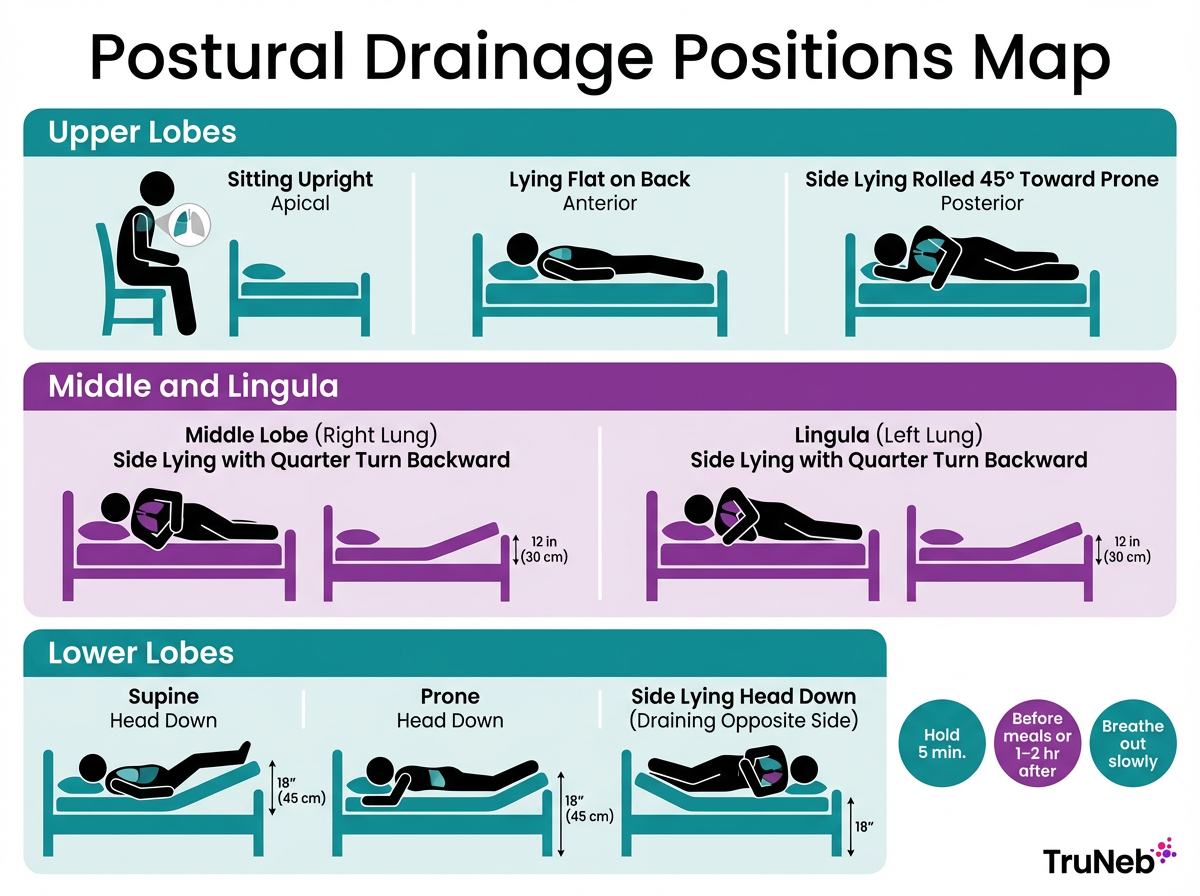
Humidifiers maintain optimal moisture levels in the air and prevent mucus from drying and sticking. Individuals run cool-mist units in bedrooms and clean them weekly to avoid mold growth. Quitting smoking eliminates the primary irritant that triggers excess production. Even reducing exposure to secondhand smoke yields dramatic improvements within weeks. Stress management techniques like meditation lower cortisol levels that otherwise worsen inflammation and mucus secretion.
When Professional Medical Help Becomes Necessary
Certain warning signs demand immediate medical attention. People seek help when phlegm contains blood, breathing becomes labored, or fever exceeds 101 degrees Fahrenheit. Persistent symptoms beyond ten days indicate possible bacterial infection that requires antibiotics. Doctors prescribe expectorant medications like guaifenesin that increase mucus flow when home remedies fall short. In severe cases, they recommend nebulizer treatments that deliver medication directly to the lungs.
Diagnostic tests identify underlying issues. Chest X-rays reveal infections or blockages while pulmonary function tests measure airflow capacity. Specialists develop personalized plans that combine medication with physical therapy. Early intervention prevents complications and restores normal lung function faster.
Long-Term Strategies to Maintain Clear Airways
Consistent application of these methods builds resilience against future congestion. People track symptoms in a journal to spot patterns and adjust habits accordingly. Annual flu vaccinations reduce viral triggers that produce phlegm. Maintaining a clean home environment with air purifiers removes allergens and pollutants that irritate the respiratory system.
Community resources provide further education. Support groups connect individuals with similar experiences and share successful strategies. Online forums feature discussions on the latest research into respiratory health. Staying informed empowers people to take charge of their lung wellness proactively.
Mastering effective ways how to get phlegm out of chest transforms daily comfort and breathing quality. People who combine hydration, steam therapy, postural drainage, and targeted diet changes clear congestion faster than those who rely on passive waiting. These active approaches address both symptoms and root causes for lasting results. Readers who implement the techniques described here experience measurable improvements in energy levels and respiratory ease.
READ ALSO: Allergy & Hayfever: Causes, Symptoms, and Effective Relief Guide