
Antibiotics for Sebaceous Cysts
Have you ever noticed a small, round lump under your skin that feels like a tiny balloon? It might be a sebaceous cyst. These common skin bumps can pop up anywhere on your body, but they’re often found on the face, neck, or back. While most are harmless, sometimes they get infected, and that’s when people start asking about antibiotics for sebaceous cysts. In this guide, we’ll cover everything you need to know to handle them safely and effectively. We’ll explain what these cysts are, when antibiotics for sebaceous cysts might help, and other ways to treat them. Our goal is to give you clear, practical advice based on trusted medical sources so you can make smart choices about your skin health.
What Are Sebaceous Cysts?
Sebaceous cysts, also known as epidermal inclusion cysts, are small sacs that form just under the skin. They’re filled with a thick, cheesy material called keratin, which is the same stuff that makes up your hair and nails. Despite the name, they’re not actually filled with oil from your skin’s oil glands – that’s a common mix-up. These cysts are super common and usually show up in adults between 20 and 60 years old. They’re more likely in men, but anyone can get them.
To picture one, imagine a smooth, dome-shaped bump that’s about the size of a pea or marble. It might have a small black dot in the center, called a punctum, which is where it connects to the skin’s surface.
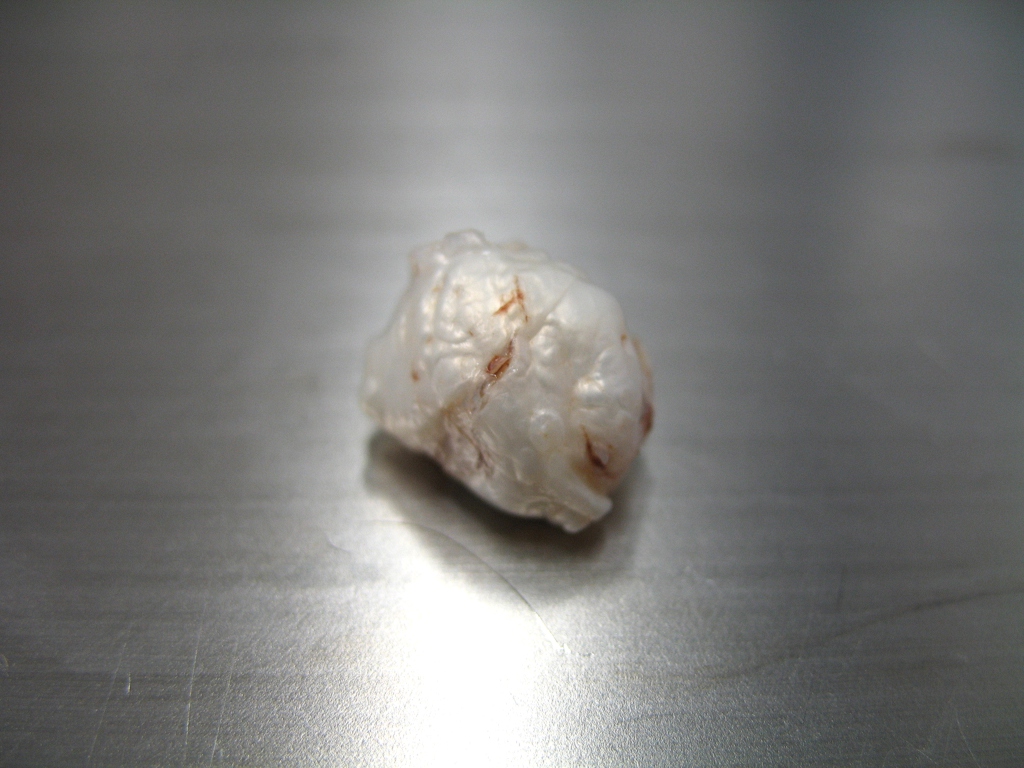
Most of the time, they’re painless and don’t cause any trouble. But if they grow big or get irritated, they can become a nuisance.
Common Causes of Sebaceous Cysts
These cysts often form when a hair follicle gets blocked. Skin cells that should shed normally get trapped inside, building up over time. Things like a scratch, cut, or even acne can trigger this. Sometimes, surgery or skin damage from the sun plays a role. Certain genes can make you more prone to them, like in conditions such as Gardner syndrome. Medications for skin issues or cancer might increase your risk too. The key point is that they’re not caused by poor hygiene – they’re just a quirk of how your skin works.
Signs and Symptoms to Watch For
Spotting a sebaceous cyst is usually easy. It’s a firm, movable lump that doesn’t hurt unless something goes wrong. If it gets inflamed, you might notice redness, swelling, or tenderness around it. In worse cases, it could rupture, leaking out that smelly, yellow stuff. That’s when infection might set in, making the area hot, painful, and filled with pus.

Keep an eye out for fever or streaks of red spreading from the cyst – those are signs you need help fast.
When Do You Need Antibiotics for Sebaceous Cysts?
Not every sebaceous cyst needs medicine. In fact, antibiotics for sebaceous cysts are only useful if there’s a real infection. Doctors don’t hand them out for just any swollen cyst because overuse can lead to resistant bacteria. So, how do you know when it’s time?
Spotting an Infection
Look for clear signs like increased pain, warmth, redness that spreads, or pus draining out. If the cyst feels hot to the touch or you have a fever, bacteria might be at work. Gram-positive bacteria, like staph, are common culprits. Without treatment, an infection can turn into an abscess, which is a painful collection of pus that might need draining.
Why Antibiotics Aren’t Always the Answer
Many times, what looks like an infection is just inflammation from the cyst rupturing or getting irritated. In those cases, warm compresses or a quick doctor’s visit for drainage works better than pills. Guidelines from experts say to avoid routine antibiotics for sebaceous cysts unless tests confirm bacteria. This helps prevent side effects like stomach upset or allergies, and it keeps antibiotics strong for when we really need them.
Types of Antibiotics for Sebaceous Cysts
If your doctor decides antibiotics for sebaceous cysts are right, they’ll pick based on the infection type. Common ones include cephalexin or cloxacillin, which target skin bacteria well. For tougher cases, doxycycline or clindamycin might be used. These are usually taken by mouth for 7 to 10 days. Sometimes, a topical cream is enough if the infection is mild.
Dicloxacillin is another option for gram-positive bugs. Your doc will consider your health history, like allergies, to choose safely. Remember, these meds fight the infection but don’t remove the cyst itself – that’s for surgery if it keeps coming back.
How to Use Antibiotics Safely for Sebaceous Cysts
Taking antibiotics for sebaceous cysts the right way is key to getting better fast. Always finish the full course, even if you feel okay sooner – stopping early can let bacteria bounce back stronger. Take them with food if they upset your stomach, and drink plenty of water.
Watch for side effects like rash, nausea, or diarrhea. If you have a bad reaction, call your doctor right away. Probiotics from yogurt can help your gut during treatment. And don’t share your meds; what’s right for you might not be for someone else.
Other Ways to Treat Sebaceous Cysts
Antibiotics for sebaceous cysts are just one tool. Often, the best fix is removing the cyst completely.
Home Remedies That Can Help
For mild cases, try warm compresses a few times a day to ease swelling and help it drain naturally. Keep the area clean with gentle soap. Avoid squeezing or popping – that can make things worse and lead to scars or infection. Tea tree oil or castor oil packs are popular home tricks, but they’re not proven and might irritate skin. Always test a small spot first.
Surgical Options for Lasting Relief
If the cyst bothers you or gets infected often, surgery is the way to go. A doctor can cut it out under local numb, removing the whole sac to stop it from returning. Minimal excision or laser methods leave smaller scars. After, you might get antibiotic ointment to keep things clean. Recovery is quick, usually a week or so.
Tips to Prevent Sebaceous Cysts
You can’t always stop them, but good skin care helps. Treat acne early, protect your skin from cuts, and use sunscreen to avoid damage. If you have a family history, talk to a dermatologist about monitoring. Gentle exfoliation can keep follicles clear, but don’t overdo it.
When to See a Doctor About Sebaceous Cysts
Don’t wait if the cyst grows fast, hurts a lot, or shows infection signs. Get checked if it’s in a sensitive spot like your face or if it comes back after treatment. Rarely, cysts can turn cancerous, so any weird changes mean a doctor’s visit. Early care can prevent big problems.
In summary, antibiotics for sebaceous cysts play a key role when infection strikes, but they’re not a cure-all. Focus on prevention, home care, and professional help for the best results. With the right approach, you can keep your skin smooth and worry-free.
ALSO READ: What Does a Diverticulitis Attack Feel Like? Your Essential Guide to Symptoms, Causes, and Relief