
Do Hernias Go Away?
Patients notice a bulge suddenly. They feel pressure in the groin. Many seek clear answers fast. Do hernias go away stands as their top question. Doctors examine the area carefully. They press gently during checks. Hernias involve tissue pushing through weak spots. Early action prevents bigger issues later.
What Exactly Is a Hernia?
A hernia occurs when an internal organ or tissue (usually intestine or fat) pushes through a weak spot in the surrounding muscle or connective tissue. Think of it as a tear or stretched opening in a strong wall that was never meant to have a hole.
The abdominal wall normally keeps everything in place under pressure from coughing, lifting, or daily movement. When that wall weakens, contents can protrude, creating the visible or palpable hernia bulge.


Common Types of Hernias (and Why Type Matters)
Understanding the type helps predict behavior, symptoms, and urgency:
- Inguinal hernia (75% of all cases): Most common in men; occurs in the groin where the spermatic cord exits the abdomen. Can descend into the scrotum.
- Femoral hernia: Rarer, more common in women; appears lower in the groin near the thigh. Higher risk of strangulation.
- Umbilical hernia: At or near the belly button. In babies, >90% close spontaneously by age 5. In adults, they rarely resolve without surgery.
- Hiatal hernia: Upper stomach pushes through the diaphragm into the chest. Often causes heartburn/GERD rather than a visible bulge.
- Incisional (ventral) hernia: Develops at the site of a previous surgical scar. Risk increases with obesity or wound-healing issues.
- Epigastric & Spigelian: Less common midline or lateral abdominal wall defects.
Key distinction by behavior:
- Reducible → Can be pushed back in (or reduces when lying down).
- Incarcerated → Stuck and cannot be reduced.
- Strangulated → Blood supply cut off — surgical emergency.
Do Hernias Go Away Without Surgery? The Honest Answer
No — not in adults.
Reputable sources are unanimous:
- Cleveland Clinic: “With the exception of umbilical hernias in babies, they don’t go away on their own.”
- Mayo Clinic: “An inguinal hernia doesn’t get better on its own.”
- NHS: “Most hernias will not get better without surgery.”
The abdominal wall defect is structural. Scar tissue or natural healing cannot close the gap under constant intra-abdominal pressure. Small, asymptomatic hernias may stay stable for months or years (watchful waiting is sometimes appropriate), but they almost always enlarge over time.
Rare exceptions:
- Infant umbilical hernias (most close by age 5).
- Very small congenital defects in children.
- Hiatal hernias can sometimes be managed medically for symptoms, but the anatomical shift remains.
Symptoms: What Does a Hernia Feel Like?
Many hernias start silently. Classic signs include:
- A visible or palpable bulge that appears with straining and may disappear when lying down.
- Aching, burning, or heaviness in the groin or abdomen.
- Pain or discomfort that worsens with coughing, sneezing, lifting, or prolonged standing.
- For hiatal: Heartburn, regurgitation, difficulty swallowing, chest pain.
Women vs. men: Groin hernias are far less common in women but can cause vague pelvic or groin pain without an obvious bulge.
Causes and Risk Factors
Hernias result from a combination of weakness + pressure:
- Congenital weak spots (present from birth).
- Aging and loss of muscle elasticity.
- Heavy lifting, chronic straining (constipation, chronic cough from smoking/COPD).
- Obesity (increases abdominal pressure).
- Pregnancy (especially multiple).
- Previous abdominal surgery.
- Family history or connective tissue disorders.
When to Seek Immediate Medical Help (Red Flags)
Go to the ER if you experience:
- Sudden severe pain at the hernia site.
- Bulge becomes firm, tender, red, purple, or dark.
- Nausea, vomiting, inability to pass gas or have a bowel movement.
- Fever.
These signal incarceration or strangulation — tissue can die within hours. Do not wait.
Diagnosis: What to Expect at the Doctor
Usually a simple physical exam while standing and coughing. Ultrasound or CT scan if unclear or to assess size/complications.
Treatment Options: Watchful Waiting vs. Surgery
Watchful waiting is safe for small, painless, easily reducible hernias in low-risk patients. Regular monitoring is essential.
Lifestyle and supportive measures (they manage symptoms but do not cure):
- Maintain healthy weight.
- Treat chronic cough or constipation (high-fiber diet, stool softeners).
- Avoid heavy lifting; use proper body mechanics.
- For hiatal hernia: Small frequent meals, elevate head of bed, avoid triggers (caffeine, spicy foods, alcohol), consider PPIs under doctor guidance.
- Hernia trusses or belts provide temporary support but are not long-term solutions and can cause skin issues or worsen the defect if misused.
Surgery is the only definitive cure. Modern techniques make it safer and less invasive than ever.
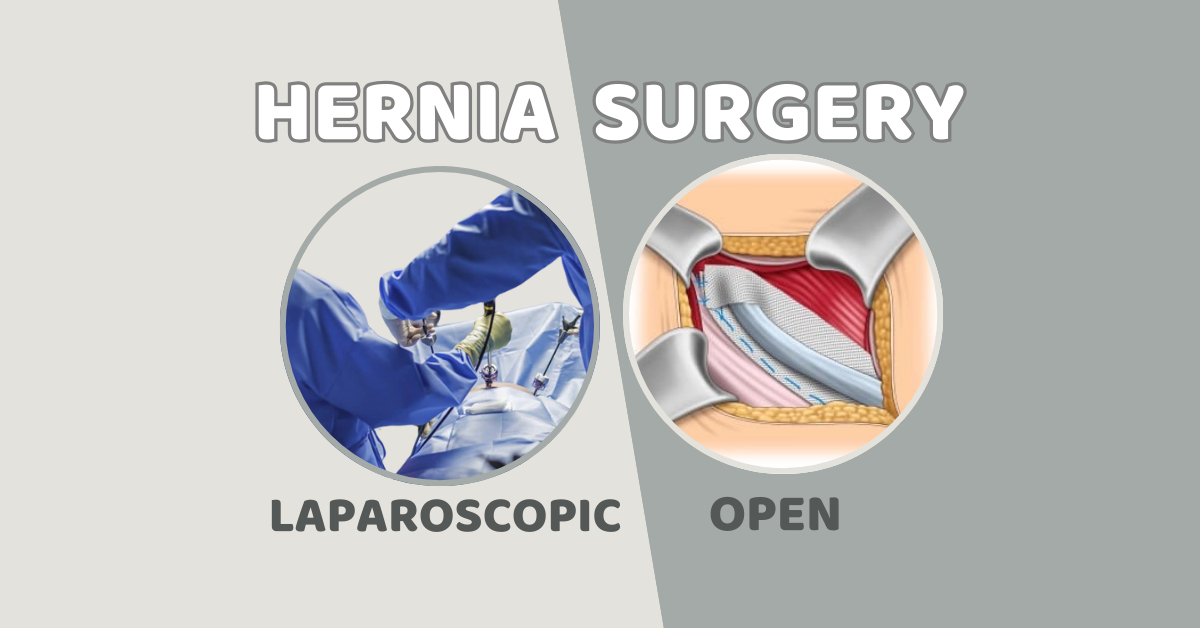
Surgical approaches:
- Laparoscopic/robotic (minimally invasive): Smaller incisions, less pain, faster return to work (often 1–2 weeks).
- Open repair: Traditional method, preferred for very large or complex cases.
- Mesh reinforcement (synthetic or biologic) dramatically reduces recurrence rates to <5–10% in most cases.
Recovery: Most patients go home same day. Light activity in days; full strenuous activity in 4–6 weeks. Recurrence risk is low with experienced surgeons.
Prevention: How to Lower Your Risk
- Maintain BMI under 30.
- Strengthen core gradually (avoid heavy crunches if at risk).
- Quit smoking.
- Manage constipation and chronic cough.
- Use proper lifting technique (bend knees, not waist).
Living with a Hernia While Deciding on Treatment
Many people safely delay elective repair for years. Track size, symptoms, and see your doctor every 6–12 months or sooner if changes occur. Focus on modifiable risk factors to slow progression.
How to Spot Hernia Symptoms Early
Patients see a visible lump. It grows during coughing fits. Pain aches in the affected zone. Burning sensations spread to the leg. Pressure builds when standing long. Men notice scrotal swelling sometimes.
Women feel sharp groin discomfort. Hiatal cases bring heartburn daily. Infants cry more during episodes. Symptoms come and go initially. Activity worsens the bulge noticeably. Ignoring signs leads to trouble.
Accurate Diagnosis Methods Used Today
Doctors perform physical exams first. They ask patients to cough hard. The bulge appears clearly then. Ultrasound scans confirm soft tissue details. CT imaging shows deeper structures well. MRI helps complex cases rarely.
Providers check if the hernia reduces. They assess pain levels carefully. Blood tests rule out infections. Early diagnosis improves treatment outcomes greatly. Patients share full medical histories openly.
Do Hernias Go Away Without Help
Experts answer do hernias go away rarely for adults. The wall defect stays permanent. Tissue weakness does not heal alone. Watchful waiting suits tiny painless ones. Doctors monitor changes closely however. Most cases worsen over months.
Incarceration traps bowel sections badly. Strangulation cuts blood supply fast. Emergency surgery saves lives then. Doctors say do hernias go away never without intervention usually. Surgery fixes the issue permanently.
Effective Treatment Options Available
Surgeons push tissue back inside. They reinforce the weak wall strongly. Mesh supports the repair often. Open surgery uses one larger cut. Laparoscopic methods need small incisions only. Robotic assistance improves precision greatly.
Hiatal repairs wrap the stomach top. Nissen fundoplication stops reflux effectively. Trusses hold reducible hernias temporarily. Children receive special timing considerations. Adults choose elective procedures wisely. Surgeons advise do hernias go away requires professional care always.
Step by Step Hernia Surgery Process
Patients fast before the operation. Anesthesia keeps them comfortable fully. Surgeons make precise incisions carefully. They return organs to normal positions. Stitches or mesh close the gap. Procedures last thirty minutes to hours.
Outpatient cases allow same day discharge. Complex repairs need overnight stays. Teams monitor vital signs constantly.
Smooth Recovery After Hernia Repair
Patients walk gently the next day. Light activity boosts blood flow. Pain medicine controls discomfort well. Avoid heavy lifting for weeks. Desk jobs resume within days. Full strength returns gradually.
Wound care prevents infections successfully. Doctors schedule follow up visits. Most heal without major problems. Research shows do hernias go away only after proper surgery.
Preventing Hernias Successfully
Maintain healthy body weight always. Lift objects using leg power. Treat chronic cough conditions promptly. Eat high fiber foods daily. Stay hydrated to ease bowel movements. Quit smoking for tissue health. Strengthen core muscles safely. Avoid straining during exercise. Regular checkups catch issues early.
Potential Complications If Untreated
Untreated hernias enlarge over time. Bowel obstruction blocks digestion badly. Severe pain demands immediate help. Infection risks rise dramatically. Tissue death occurs in strangulation. Hospital stays lengthen then. Chronic pain affects daily life. Recurrence follows poor management.
Special Considerations for Children
Infant umbilical hernias close naturally. Monitoring suffices in most cases. Surgery waits until school age often. Inguinal hernias in kids need prompt repair. They never resolve without help. Premature babies face higher risks.
Parents watch for changes closely. Crying enlarges the bulge visibly. Adults learn do hernias go away differs from pediatric cases.
Lifestyle Changes for Long Term Health
Patients choose balanced nutritious diets. Regular exercise builds muscle support. Stress management reduces strain. Proper posture protects the abdomen. Supportive clothing aids during recovery. Annual health screenings help. Weight control prevents pressure buildup. Fiber intake avoids constipation issues.
When to Seek Immediate Medical Help
Sudden severe pain signals danger. Vomiting accompanies trapped hernias. Fever indicates possible infection. Redness or swelling worsens rapidly. Inability to reduce the bulge matters. Seek emergency care fast. Doctors treat complications aggressively. Outcomes improve with quick action.
Final Thoughts on Hernia Management
Knowledge empowers better decisions daily. Consult specialists for personalized plans. Early treatment yields best results. Finally patients understand do hernias go away needs expert attention now. Live actively and stay informed always.
READ ALSO: GERD Without Esophagitis: Symptoms, Causes, and Effective Management