
ERA posting errors
Healthcare professionals handle complex billing tasks daily. They receive payments from insurers electronically. Errors in this process cause delays. This guide explains ERA posting errors thoroughly. It covers definitions, common issues, and fixes. Readers gain practical insights for better revenue management.
Electronic remittance advice streamlines payments. Providers use it to track claims efficiently. However, mistakes happen during posting. These ERA posting errors lead to financial discrepancies. Understanding them prevents revenue loss. The article provides strategies to resolve them.
What is Electronic Remittance Advice (ERA)?
Payers send ERA files to providers. These files detail claim payments digitally. They replace paper explanations of benefits. ERAs include payment amounts and adjustments. Providers access them via secure portals.
ERAs contain denial codes and reasons. They list patient responsibilities clearly. This format reduces manual entry errors. Insurers issue ERAs after processing claims. Providers download them for reconciliation.
HIPAA mandates standardized ERA formats. The 835 transaction set ensures consistency. This standardization aids software integration. Providers enroll with payers for ERA receipt. Enrollment speeds up payment cycles.
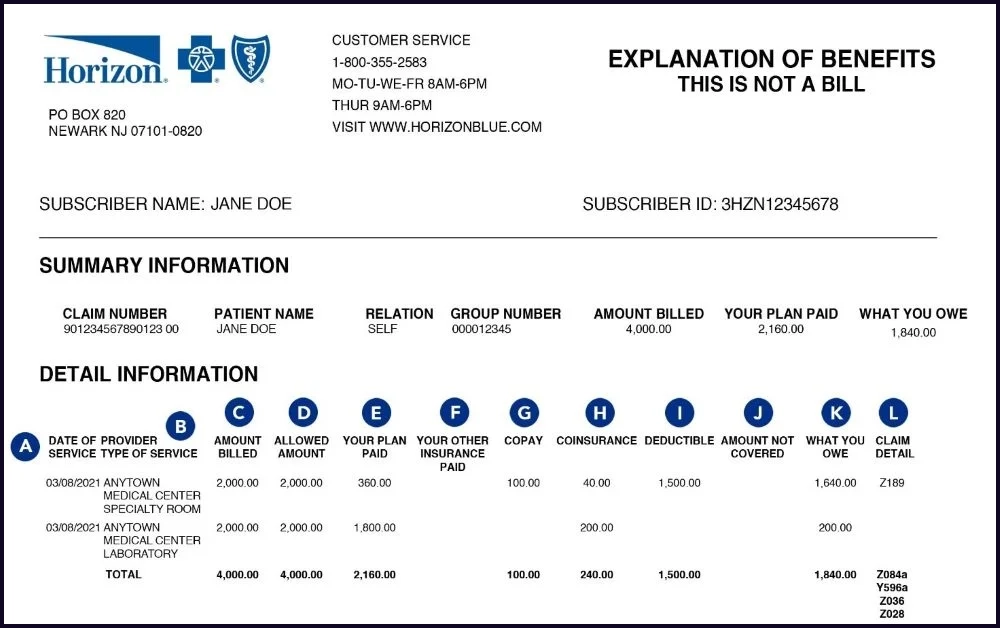
ERAs improve accuracy in billing. They automate data transfer effectively. Providers match ERAs to submitted claims. Discrepancies highlight potential issues early. This process supports timely appeals.
The Role of ERA in Healthcare Revenue Cycle
ERA integrates into revenue cycle management. It accelerates payment posting tasks. Providers reconcile accounts faster with ERAs. This boosts cash flow significantly. Accurate postings prevent underpayments.
Denials appear in ERA details. Staff reviews them promptly. Quick action increases collection rates. ERAs flag contractual adjustments too. Providers verify them against contracts.
Automation tools process ERAs efficiently. They reduce human intervention needs. This minimizes errors in data entry. Providers track performance metrics using ERAs. Insights drive process improvements.
Compliance relies on proper ERA handling. Audits check posting accuracy. Consistent practices avoid penalties. ERAs support financial reporting as well. They provide audit trails for transactions.
What is ERA Posting?
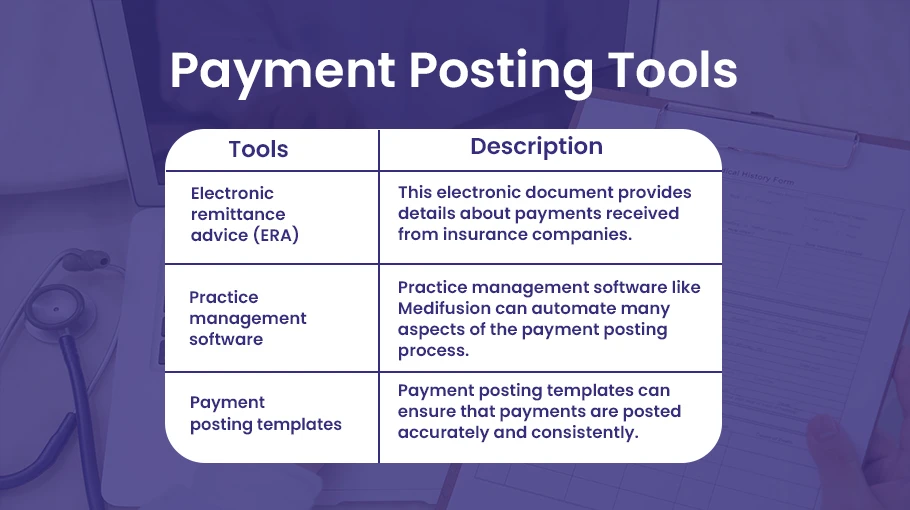
Staff posts ERA data to patient accounts. This step applies payments correctly. It updates balances in billing systems. Posting involves matching claims to remittances. Automation aids this process often.
Manual posting occurs in some cases. Staff enters data from ERAs. This method risks inaccuracies. Software scans ERAs for key information. It populates fields automatically.
Posting includes applying adjustments. Deductibles and copays get recorded. Denials trigger follow-up actions. Successful posting closes claim cycles. It prepares statements for patients.

Reports generate after posting. They show daily receipts clearly. Managers review them for discrepancies. Proper posting ensures financial health. It supports strategic decision-making.
Common ERA Posting Errors
Providers encounter various ERA posting errors frequently. Mismatched claim numbers top the list. These occur during data import. Duplicate postings create balance issues. Staff overlooks them easily.
Invalid adjustment codes cause problems too. Systems reject unrecognized entries. Partial payments get misapplied often. This leads to incorrect patient bills. Denial codes enter wrongly sometimes.
Internal system errors halt posting. Software glitches disrupt workflows. Secondary errors compound primary issues. Line item mismatches affect encounters. These require manual corrections.
Overpayments result from posting mistakes. Refunds become necessary then. Underpayments go unnoticed without checks. ERA posting errors inflate accounts receivable. They delay revenue recognition.

Contractual write-offs apply incorrectly at times. This skews financial reports. Payer-specific rules confuse staff. Training gaps exacerbate these errors. Regular audits uncover hidden issues.
Causes of ERA Posting Errors
Software incompatibilities trigger many ERA posting errors. Old systems fail to parse files. Payer updates change formats unexpectedly. Staff misses enrollment verifications often.
Human factors contribute significantly. Fatigue leads to data entry mistakes. Inadequate training causes misinterpretations. High volume overwhelms teams daily. Rushed processes invite oversights.
Communication breakdowns occur between departments. Billing and clinical staff disconnect. Payers send incomplete ERAs sometimes. Missing details halt posting attempts. Network issues delay file downloads.
Configuration errors in systems persist. Incorrect mappings misalign data fields. Vendor updates disrupt settings. Lack of testing exposes vulnerabilities. These causes compound over time.
Regulatory changes affect ERA handling. New codes require quick adaptations. Non-compliance risks increase errors. Resource shortages strain operations. Small practices suffer most.
How to Resolve ERA Posting Errors
Identify errors early in the process. Review ERA files upon receipt. Print error reports for analysis. Correct mismatched claims manually. Update patient records accordingly.
Reset service lines to defaults. This clears previous edits. Reapply payments carefully. Verify adjustment codes against references. Consult payer guidelines as needed.
Delete duplicate payments promptly. This resolves conflicts quickly. Re-post corrected ERAs successfully. Document all changes thoroughly. Maintain audit trails for compliance.
Engage IT support for system issues. They fix internal errors efficiently. Test configurations after updates. Train staff on new procedures. Monitor postings regularly.
Appeal denials based on ERA details. Gather supporting documentation first. Track appeal statuses diligently. Adjust accounts upon resolutions. This recovers lost revenue.
Best Practices for Avoiding ERA Posting Errors
Implement automated posting systems. They reduce manual interventions significantly. Enroll with all payers for ERAs. Verify compatibility before implementation. Train staff comprehensively on tools.
Establish daily reconciliation routines. Compare ERAs to bank deposits. Flag discrepancies immediately. Use checklists for posting steps. This ensures consistency across teams.
Update software regularly for enhancements. Test new versions thoroughly. Backup data before changes. Collaborate with vendors for support. Customize settings to fit needs.
Monitor key performance indicators. Track error rates monthly. Analyze trends for improvements. Foster a culture of accuracy. Reward error-free performances.
Integrate ERA with EHR systems. This streamlines data flow. Reduce silos in operations. Conduct regular audits internally. Address findings proactively.
Tools and Software for Efficient ERA Posting
Practice management software handles ERAs well. Tebra offers error resolution features. NextGen provides detailed error messages. These guide corrections effectively.
Therabill lists ERA information clearly. It allows resets and edits. Eyefinity displays posting errors prominently. Users filter by status easily.
CharmHealth flags payment application issues. It prevents duplicate postings. Elation scans for auto-posting errors. This labels problematic ERAs accordingly.
Advanced tools use AI for matching. They predict common errors accurately. Cloud-based platforms ensure accessibility. They update in real-time.
Select tools based on practice size. Small clinics need simple interfaces. Large groups require robust analytics. Evaluate options through demos.
Case Studies: Overcoming ERA Posting Challenges
A small clinic faced frequent mismatches. They implemented automated software. Errors dropped by 50 percent. Cash flow improved markedly. Staff focused on patient care.
A hospital dealt with system glitches. IT upgraded configurations promptly. Posting efficiency rose significantly. Revenue recovery increased too. Audits passed smoothly.
A therapy practice missed partial payments. They adopted reconciliation routines. Underpayments decreased notably. Collections boosted overall. Patient satisfaction grew.
Another provider struggled with denials. They trained on code interpretations. Appeals succeeded more often. Financial stability enhanced. Operations ran smoother.
These examples show practical solutions. Providers adapt strategies successfully. Results yield measurable benefits. Lessons apply broadly.
Conclusion
ERA posting errors challenge healthcare billing. Addressing them enhances financial health. Providers implement best practices effectively. This minimizes disruptions in revenue. Continuous improvement drives success.
Stay vigilant against common pitfalls. Use tools for efficiency gains. Resolve issues promptly always. This ensures smooth operations. Master ERA handling for prosperity.
Frequently Asked Questions(FAQs)
What causes most ERA posting errors?
Software incompatibilities and human mistakes lead the causes. Payer format changes contribute too. Inadequate training exacerbates issues.
How do providers fix mismatched claims in ERAs?
Review files manually first. Correct data in systems. Re-post updated ERAs carefully.
Why enroll for ERA with payers?
Enrollment enables electronic receipt. It speeds up posting processes. Accuracy improves significantly.
What role does automation play in ERA posting?
Automation reduces manual errors. It matches claims quickly. Efficiency boosts overall.
How often should teams audit ERA postings?
Conduct audits monthly at minimum. Analyze error trends regularly. Adjust practices based on findings.
Can small practices handle ERA posting effectively?
Yes, with simple tools. Training ensures success. Outsourcing aids when needed.