
Introduction
Hammer toe causes discomfort, pain, and visible deformity in the toes. It usually affects the second, third, or fourth toe. The joint bends abnormally, creating a hammer-like shape. Many people ignore early symptoms and allow the condition to worsen. This guide explains how to fix hammer toe using practical, proven methods. You will learn causes, symptoms, treatments, and prevention strategies.
What Is Hammer Toe?
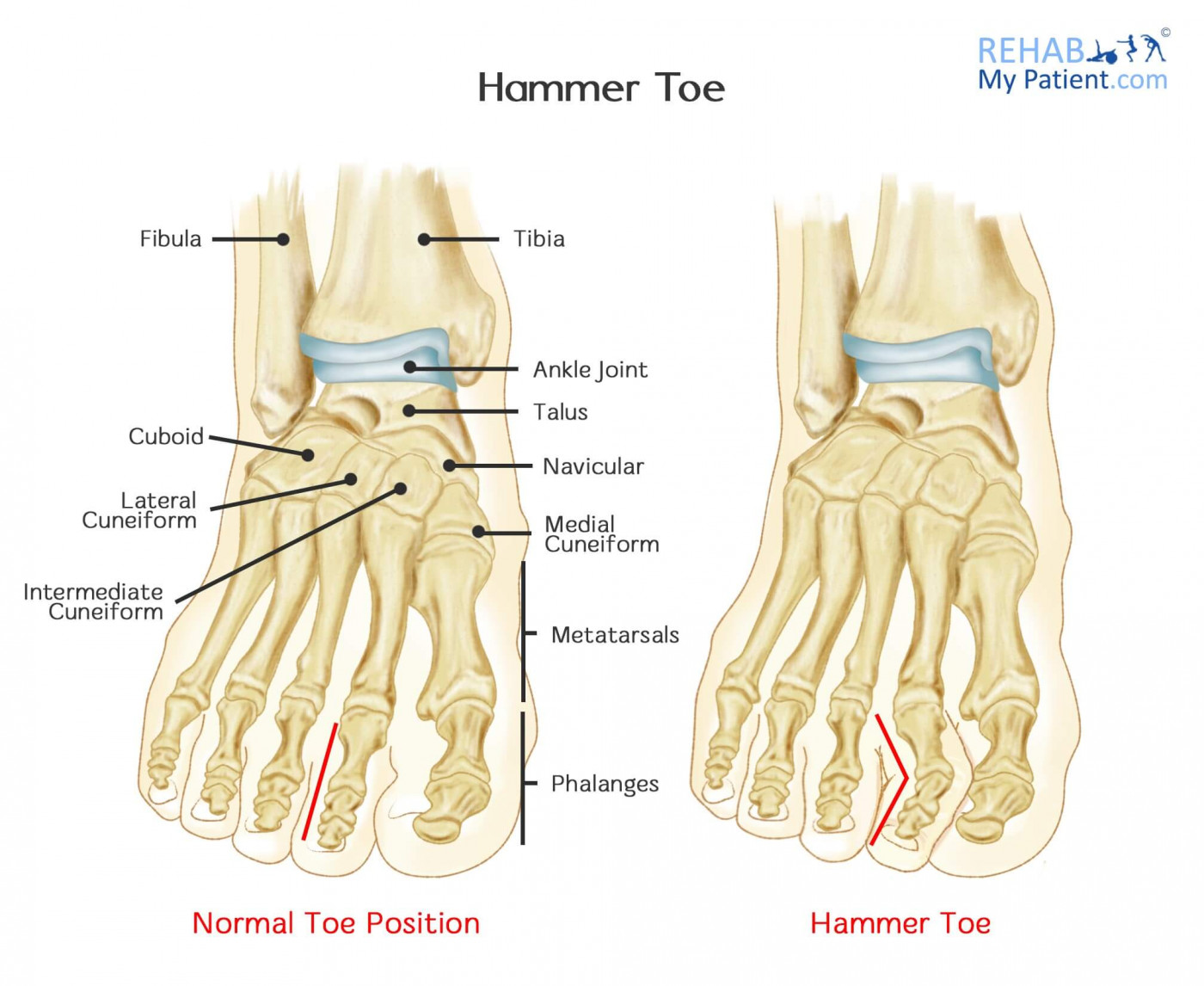
Hammer toe is a deformity where the middle joint bends downward. The toe looks curled instead of straight. Muscle imbalance causes this condition. Tendons and ligaments lose their natural alignment. Over time, the toe becomes stiff and difficult to move.
There are two main types:
Flexible Hammer Toe
The joint still moves. You can straighten the toe manually. Early treatment works best at this stage.
Rigid Hammer Toe
The joint becomes stiff. Movement becomes painful or impossible. This stage often requires medical treatment.
Causes of Hammer Toe
Understanding causes helps prevent and treat the condition effectively.
1. Tight or Ill-Fitting Shoes
Shoes with narrow toe boxes squeeze the toes. High heels push toes forward. This pressure leads to deformity.
2. Muscle Imbalance
Muscles control toe movement. When they become unbalanced, they pull the toe into a bent position.
3. Injury or Trauma
Toe injuries can damage joints and muscles. This damage may lead to abnormal bending.
4. Arthritis
Joint inflammation weakens structures. It increases the risk of developing hammer toe.
5. Genetics
Some people inherit foot structures that make them prone to this condition.
Common Symptoms
Recognizing symptoms early makes treatment easier.
- Bent or curled toe appearance
- Pain while walking
- Corns or calluses on the toe
- Redness and swelling
- Difficulty wearing shoes
- Limited toe movement
These symptoms often worsen without treatment.
How to Fix Hammer Toe Naturally
Many people prefer non-surgical methods. These options work best in early stages.
1. Wear Proper Footwear
Choose shoes with a wide toe box. Soft materials reduce pressure on toes. Avoid high heels and tight shoes.
Proper footwear allows toes to spread naturally. It reduces strain on joints and muscles.
2. Use Toe Exercises
Exercises strengthen muscles and improve flexibility.
Toe Stretch
Pull the toe gently into a straight position. Hold for 10 seconds. Repeat several times daily.
Towel Curl
Place a towel on the floor. Use your toes to grab and pull it toward you.
Marble Pickup
Pick up small objects using your toes. This strengthens foot muscles effectively.
These exercises help correct alignment over time.
3. Apply Padding and Splints
Toe pads reduce friction. Splints keep the toe in a straight position. These tools prevent worsening of the deformity.
Use them daily for consistent results.
4. Use Orthotic Devices
Custom shoe inserts support foot alignment. They reduce pressure on affected areas. Orthotics help maintain proper posture.
Consult a specialist for the best fit.
5. Ice and Pain Relief
Apply ice packs to reduce swelling. Use over-the-counter pain relievers if needed. This approach helps manage discomfort.
Medical Treatments for Hammer Toe

If natural methods fail, medical treatments may be necessary.
1. Physical Therapy
A therapist guides you through targeted exercises. Therapy improves flexibility and strength. It also reduces pain.
2. Medications
Doctors may prescribe anti-inflammatory drugs. These medications reduce swelling and pain.
3. Steroid Injections
Steroid injections relieve severe inflammation. They provide temporary but effective relief.
Surgical Options
Surgery becomes necessary in advanced cases.
Types of Surgery
Tendon Release
Surgeons release tight tendons. This allows the toe to straighten.
Joint Resection
Part of the joint is removed. This improves alignment.
Fusion Surgery
The joint is fused permanently. This keeps the toe straight but limits movement.
Recovery usually takes several weeks. Doctors recommend rest and proper care after surgery.
Daily Habits to Support Recovery
Simple lifestyle changes can improve results.
Maintain Healthy Weight
Extra weight increases pressure on feet. Maintaining a healthy weight reduces stress on toes.
Stretch Regularly
Daily stretching keeps muscles flexible. It prevents stiffness and discomfort.
Keep Feet Clean and Dry
Proper hygiene prevents infections and irritation.
Best Shoes for Hammer Toe
Choosing the right shoes plays a crucial role.
Features to Look For
- Wide toe box
- Soft cushioning
- Low heels
- Adjustable straps
These features reduce pressure and improve comfort.
When to See a Doctor
Seek medical help if:
- Pain becomes severe
- Toe becomes rigid
- Home treatments fail
- You notice signs of infection
Early consultation prevents complications.
Prevention Tips
Preventing hammer toe is easier than treating it.
1. Choose Comfortable Shoes
Always prioritize comfort over style. Avoid tight footwear.
2. Exercise Your Feet
Regular exercises keep muscles strong and balanced.
3. Avoid High Heels
Limit the use of high heels to special occasions.
4. Check Your Feet Regularly
Early detection helps prevent serious issues.
Long-Term Outlook

Most people recover well with proper care. Early treatment offers the best results. Consistency plays a key role in recovery.
Ignoring symptoms can lead to complications. Severe cases may require surgery. However, many people manage the condition without surgical intervention.
Conclusion
Hammer toe can affect daily life and mobility. However, effective treatments are available. This guide has explained how to fix hammer toe using natural remedies, medical treatments, and preventive steps. You can improve your condition by acting early and staying consistent.
Understanding how to fix hammer toe helps you take control of your foot health. Proper footwear, exercises, and care make a significant difference. If symptoms persist, consult a medical professional.
By following these strategies, you can successfully learn how to fix hammer toe and prevent it from returning. Stay proactive and protect your feet for long-term comfort.
READ ALSO: Surgery of Pituitary Tumor: Complete Guide to Treatment and Recovery