
Introduction
The pituitary gland controls many vital hormones in the body. A tumor in this gland can disrupt normal functions. Doctors often recommend surgery of pituitary tumor when medication or radiation does not work. This procedure helps remove the tumor and restore hormone balance. Early treatment improves outcomes and reduces complications. Patients must understand the process, risks, and recovery steps before making a decision.
What Is a Pituitary Tumor?
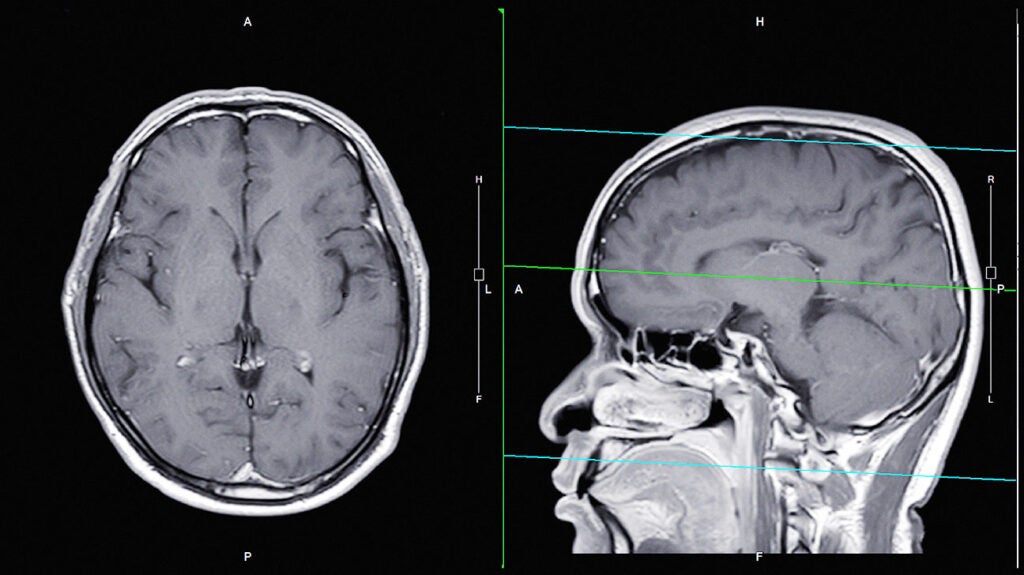
A pituitary tumor is an abnormal growth in the pituitary gland. Most tumors are benign and grow slowly. However, they can still cause serious health problems. These tumors may affect vision, hormone levels, and overall health. Some tumors produce excess hormones, while others reduce hormone production. Doctors classify tumors based on size and hormone activity. Proper diagnosis helps guide treatment options.
Causes and Risk Factors
The exact cause of pituitary tumors remains unclear. Genetic mutations may play a role in some cases. Family history can increase the risk slightly. Certain inherited conditions, like multiple endocrine neoplasia, raise the chances. Most cases occur without any clear reason. Environmental factors rarely contribute to tumor formation. Regular checkups help detect problems early.
Symptoms of Pituitary Tumors
Symptoms vary depending on tumor size and hormone activity. Large tumors may press on nearby structures. This pressure can cause headaches and vision problems. Hormonal imbalances may lead to weight changes or fatigue. Women may experience irregular periods. Men may notice reduced libido or fertility issues. Early symptoms often go unnoticed. Timely diagnosis improves treatment success.
When Is Surgery Necessary?
Doctors recommend surgery of pituitary tumor when symptoms become severe. Surgery is also needed if the tumor grows rapidly. Vision problems often require immediate surgical intervention. Hormone-producing tumors may not respond to medication alone. In such cases, surgery offers the best solution. Doctors evaluate each patient carefully before recommending surgery. Imaging tests help determine tumor size and location.
Types of Pituitary Tumor Surgery
Transsphenoidal Surgery
This method is the most common approach. Surgeons access the tumor through the nose. They use specialized tools and cameras. This technique avoids external cuts. It reduces recovery time and complications. Most patients prefer this minimally invasive option.
Craniotomy
Doctors use this method for large or complex tumors. Surgeons make an opening in the skull. This approach allows better access to difficult areas. Recovery takes longer compared to other methods. Doctors choose this option only when necessary.
Both methods aim to remove as much tumor tissue as possible. The choice depends on tumor size, location, and patient health.
Preparation Before Surgery
Patients must prepare carefully for surgery of pituitary tumor. Doctors conduct several tests before the procedure. These tests include MRI scans and blood tests. Patients must inform doctors about medications and allergies. Doctors may advise stopping certain drugs before surgery. Fasting is required for several hours before the procedure. Mental preparation also plays an important role. Patients should discuss concerns with their healthcare team.
The Surgical Procedure
The surgical process involves several steps. Doctors administer anesthesia to keep the patient unconscious. Surgeons then access the tumor using the chosen method. They carefully remove tumor tissue while protecting surrounding structures. Advanced tools help improve precision and safety. The procedure may take several hours. After surgery, doctors monitor the patient closely in recovery.
Risks and Complications
Every surgery carries some risks. Surgery of pituitary tumor is generally safe but may cause complications. These include infection, bleeding, or damage to nearby tissues. Some patients may experience hormone imbalances after surgery. Vision problems may persist in rare cases. Doctors take precautions to reduce these risks. Choosing an experienced surgeon improves outcomes.
Recovery After Surgery
Recovery varies from patient to patient. Most patients stay in the hospital for a few days. Doctors monitor hormone levels during recovery. Patients may need hormone replacement therapy. Rest is essential during the healing process. Avoid heavy activities for several weeks. Follow-up visits help track progress and detect issues early.
Long-Term Outcomes
Most patients experience significant improvement after treatment. Surgery of pituitary tumor often relieves symptoms quickly. Vision problems may improve within days. Hormone levels may take longer to stabilize. Some patients require ongoing treatment or monitoring. Regular checkups ensure long-term health. Early intervention leads to better outcomes.
Lifestyle Changes After Surgery
Healthy habits support recovery and overall well-being. Patients should follow a balanced diet. Regular exercise improves strength and energy levels. Stress management helps maintain hormone balance. Patients must take prescribed medications regularly. Avoid smoking and limit alcohol intake. Lifestyle changes play a key role in long-term recovery.
Alternatives to Surgery
Doctors may suggest alternatives in some cases. Medication can control hormone-producing tumors. Radiation therapy may shrink tumor size. These options work well for small or slow-growing tumors. However, they may not provide immediate relief. Doctors choose treatment based on individual needs. Surgery remains the most effective option for many patients.
Importance of Follow-Up Care
Follow-up care ensures successful recovery. Doctors monitor hormone levels and overall health. Imaging tests help detect tumor recurrence. Patients should attend all scheduled appointments. Early detection of problems improves treatment outcomes. Consistent care helps maintain long-term health.
Emotional and Mental Support

A diagnosis can cause stress and anxiety. Patients may feel overwhelmed before surgery. Support from family and friends helps reduce stress. Counseling can improve emotional well-being. Joining support groups provides valuable guidance. Mental health is as important as physical recovery. Patients should seek help when needed.
Cost and Accessibility
The cost of treatment varies depending on location and hospital. Advanced surgical techniques may cost more. Insurance coverage can reduce financial burden. Patients should discuss costs with healthcare providers. Planning ahead helps avoid unexpected expenses. Access to experienced surgeons improves success rates.
Advances in Pituitary Surgery
Modern technology has improved surgical outcomes. Surgeons now use advanced imaging tools. These tools provide better accuracy during procedures. Minimally invasive techniques reduce recovery time. Robotic assistance may improve precision in the future. Continuous research improves patient care and safety.
Conclusion
Surgery of pituitary tumor offers an effective solution for many patients. It helps remove tumors and restore normal body functions. Early diagnosis and proper treatment improve outcomes significantly. Patients must understand the procedure, risks, and recovery process. Regular follow-up ensures long-term health and stability. With proper care, most patients lead normal and healthy lives.
READ ALSO: Occipital Nerve Block: Your Path to Freedom from Persistent Headaches