
Thrombosed Piles Images
Doctors identify thrombosed piles as swollen veins with blood clots. Patients experience intense pain from these conditions. Medical experts link them to external hemorrhoids. This guide explores causes, symptoms, and treatments. Readers learn prevention strategies effectively. Visual aids enhance understanding significantly.
Thrombosed piles form when clots block blood flow. Swelling occurs in anal tissues rapidly. Individuals notice bluish lumps near the anus. Health professionals recommend early intervention. Proper diagnosis prevents complications successfully. Lifestyle changes reduce recurrence risks.
What Are Thrombosed Piles?
Hemorrhoids develop as cushions in the anal canal. External types appear below the dentate line. Thrombosis happens when clots form inside veins. Pressure builds from straining during bowel movements. Constipation contributes to this issue frequently. Heavy lifting exacerbates vein distention.
Pregnancy increases intra-abdominal pressure notably. Obesity adds extra strain on rectal veins. Prolonged sitting weakens vascular support. Genetics play a role in vein weakness. Aging reduces tissue elasticity over time. Dietary habits influence stool consistency directly.
Internal hemorrhoids sit above the dentate line. External ones become thrombosed more often. Clots cause acute swelling and discoloration. Pain peaks within 48 hours usually. Inflammation traps hemorrhoids below the line. Congestion leads to severe discomfort.
Causes of Thrombosed Piles
Straining pushes veins outward forcefully. Hard stools irritate anal tissues repeatedly. Low-fiber diets harden bowel contents. Dehydration concentrates stool material. Sedentary lifestyles slow intestinal transit.
Heavy physical activity strains pelvic muscles. Childbirth pressures rectal veins intensely. Chronic diarrhea inflames anal linings. Anal intercourse risks vein trauma. Certain medications alter bowel habits.
Increased abdominal pressure pools blood in veins. Clots form from stagnant flow. Trauma disrupts vascular integrity. Infections weaken vein walls occasionally. Hormonal changes during pregnancy dilate vessels.
Symptoms and Signs
Patients report sudden sharp pain. Swelling appears around the anus. Lumps feel firm and tender. Bluish-purple color indicates clotting. Itching accompanies inflammation sometimes.
Bleeding occurs if clots ulcerate. Walking aggravates discomfort significantly. Sitting prolongs pain episodes. Bowel movements intensify symptoms. Fever signals possible infection.
Lumps vary in size notably. Pain disrupts daily activities. Sleep disturbances arise from discomfort. Emotional stress heightens perception. Symptoms resolve within weeks naturally.
Diagnosis of Thrombosed Piles
Physicians perform physical examinations thoroughly. They inspect anal areas visually. Digital rectal exams detect internal issues. Anoscopes view lower rectum clearly. Proctoscopes examine deeper anal canal.
History reveals onset and triggers. Pain location guides assessment. Swelling confirms external thrombosis. Color changes suggest clot presence. Tenderness indicates acute stage.
Differential diagnoses include anal fissures. Abscesses mimic swelling patterns. Skin tags resemble non-thrombosed remnants. Polyps require endoscopic evaluation. Cancer screenings rule out malignancies.
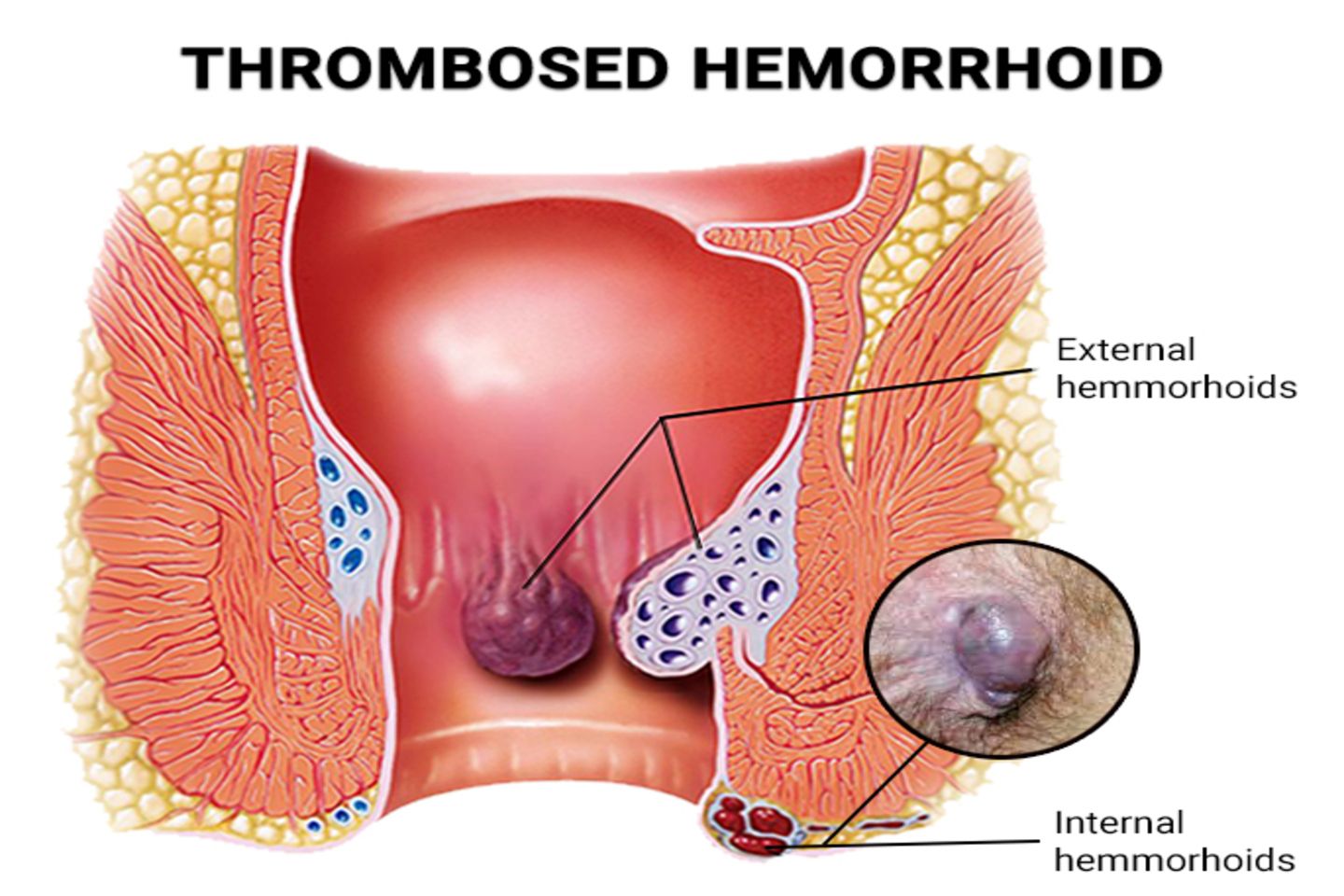
Thrombosed piles images show characteristic features. Medical illustrations depict swollen veins accurately. Diagrams highlight clot formations. Photos reveal bluish discolorations. Visuals aid patient education effectively.
Experts use imaging for complex cases. Ultrasound detects vascular abnormalities. MRI provides detailed soft tissue views. CT scans assess complications rarely. Biopsies confirm benign nature.
Appearance in Thrombosed Piles Images
Illustrations portray external hemorrhoids vividly. Clots appear as dark masses inside. Swelling distorts normal anatomy. Colors range from red to purple. Textures show firmness and smoothness.
Medical photos capture real-life presentations. Lumps protrude noticeably in images. Discoloration emphasizes thrombosis severity. Surrounding skin shows erythema. Scales indicate size variations.
Diagrams explain progression stages. Early clots form small bulges. Advanced ones create large protrusions. Healing phases reduce swelling. Scars form post-resolution.
Thrombosed piles images educate on self-examination. Patients recognize warning signs early. Visual comparisons guide urgency levels. Professionals use them for training. Resources include online medical libraries.
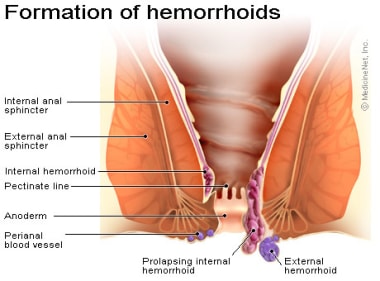
Artistic renderings simplify complex structures. Veins appear engorged in drawings. Clots block flow pathways. Tissues swell around affected areas. Labels identify key components.

Treatment Options for Thrombosed Piles
Conservative approaches manage mild cases. Sitz baths soothe swollen tissues. Warm water relaxes sphincter muscles. Sessions last 15 minutes daily. Additives like Epsom salts reduce inflammation.
Pain relievers ease discomfort effectively. Ibuprofen reduces swelling and pain. Acetaminophen controls mild aches. Topical creams numb affected areas. Witch hazel pads cool irritations.
Laxatives soften stools for easier passage. Fiber supplements bulk bowel contents. Hydration maintains stool moisture. Diet changes incorporate fruits and vegetables. Exercise promotes regular movements.
Surgical interventions address severe thrombosis. Incision drains clots under anesthesia. Excision removes entire hemorrhoid. Procedures occur within 72 hours. Banding ligates prolapsed tissues. Sclerotherapy injects shrinking agents.
Post-treatment care prevents infections. Antibiotics treat secondary issues. Wound dressings protect healing sites. Follow-ups monitor recovery progress. Complications include recurrence and scarring.
Home remedies complement medical treatments. Ice packs numb pain temporarily. Aloe vera gel soothes skin. Coconut oil lubricates passages. Tea tree oil fights bacteria. Herbal teas calm digestive systems.
Surgical Procedures in Detail
Excision targets thrombosed external hemorrhoids. Surgeons make elliptical incisions. They remove clots and vessels. Sutures close wounds neatly. Local anesthesia numbs the area.
Thrombectomy evacuates clots specifically. Small cuts release trapped blood. Pressure relief occurs immediately. Bandages absorb drainage. Recovery takes days typically.
Hemorrhoidectomy excises multiple piles. General anesthesia ensures comfort. Lasers cauterize tissues precisely. Staples secure internal repairs. Hospital stays vary by complexity.
Minimally invasive options reduce downtime. Infrared coagulation shrinks veins. Rubber band ligation cuts circulation. Cryotherapy freezes affected tissues. Doppler-guided methods locate arteries.
Risks involve bleeding and infection. Pain management uses opioids sparingly. Recurrence rates drop with prevention. Success depends on patient compliance. Follow instructions strictly.
Recovery After Treatment
Patients rest for several days. Avoid strenuous activities initially. Pain subsides within weeks. Stool softeners prevent straining. Hydration supports healing processes.
Diet focuses on high-fiber foods. Whole grains aid digestion. Fruits provide natural laxatives. Vegetables supply essential nutrients. Proteins rebuild tissues. Avoid spicy items.
Hygiene maintains cleanliness. Gentle wipes replace rough paper. Showers clean areas thoroughly. Pat dry to avoid irritation. Ointments protect skin barriers.
Monitor for complications diligently. Excessive bleeding requires attention. Fever indicates infections. Persistent pain signals issues. Swelling reductions mark progress. Consult doctors promptly.
Emotional support helps coping. Family assists daily tasks. Relaxation techniques reduce stress. Positive mindsets accelerate recovery. Join support groups online.
Prevention Strategies
Increase fiber intake daily. Eat oats and beans regularly. Drink water abundantly. Exercise 30 minutes routinely. Walk briskly to stimulate bowels.
Avoid prolonged toilet sitting. Respond to urges promptly. Use footstools for better positioning. Maintain healthy weight levels. Strengthen pelvic floor muscles.
Screen for risk factors early. Manage chronic conditions effectively. Adjust diets during pregnancy. Lift weights correctly. Practice good posture.
Educate on early signs. Self-exams detect changes. Consult professionals annually. Adopt balanced lifestyles. Prevent constipation proactively.
Community programs promote awareness. Schools teach nutrition basics. Workplaces encourage breaks. Media spreads prevention tips. Governments fund health initiatives.
Complications of Untreated Thrombosed Piles
Ulceration leads to bleeding risks. Infections spread to surrounding tissues. Abscesses form painful collections. Fistulas create abnormal connections. Sepsis threatens systemic health.
Chronic pain affects quality of life. Mobility limitations hinder activities. Emotional distress causes anxiety. Sleep disruptions impair functions. Work productivity drops.
Anemia results from blood loss. Fatigue accompanies low hemoglobin. Dizziness signals severe depletion. Supplements restore iron levels. Transfusions treat acute cases.
Scarring alters anal structures. Incontinence risks increase slightly. Strictures narrow passages. Surgeries correct deformities. Therapies rehabilitate functions.
Long-term monitoring prevents escalations. Regular check-ups track changes. Lifestyle adjustments mitigate risks. Early interventions save costs. Health improves overall.
Living with Thrombosed Piles
Adapt routines for comfort. Use cushioned seats. Wear loose clothing. Apply barriers during activities. Plan travel carefully.
Support networks provide encouragement. Share experiences with peers. Seek counseling if needed. Build resilience through knowledge. Embrace positive changes.
Integrate treatments into daily life. Schedule baths routinely. Stock medications handy. Prepare meals in advance. Track symptoms journaled. Adjust as necessary.
Empower through education. Read reliable sources. Attend workshops. Consult experts regularly. Share insights with others. Advocate for better care.
Community resources offer help. Clinics provide free screenings. Hotlines answer queries. Online forums discuss tips. Books detail management strategies.
Role of Diet in Management
Consume prunes for natural laxation. Include yogurt for probiotics. Eat nuts for healthy fats. Drink herbal teas soothingly. Avoid caffeine excesses.
Balance meals with proteins. Choose lean meats wisely. Incorporate fish omega-3s. Add eggs for nutrients. Limit processed foods.
Vegetables like broccoli fiber-rich. Carrots aid digestion. Spinach supplies iron. Tomatoes reduce inflammation. Peppers boost vitamins.
Fruits such as apples soften stools. Bananas provide potassium. Berries fight oxidants. Oranges hydrate effectively. Kiwis enzyme-rich.
Whole grains like quinoa bulk. Brown rice digests slowly. Barley soups comfort. Oats breakfast ideal. Avoid refined carbs.
Hydration goals reach eight glasses. Infuse water flavorfully. Limit sodas strictly. Monitor urine color. Adjust intake seasonally.
Exercise and Physical Activity
Walk daily to promote circulation. Swim for low-impact relief. Cycle gently on soft seats. Yoga poses strengthen core. Pilates improves posture.
Stretch pelvic areas regularly. Kegel exercises tone muscles. Aerobics boost metabolism. Resistance training builds endurance. Avoid heavy lifts.
Outdoor activities refresh mind. Hiking trails stimulate bowels. Gardening bends beneficially. Sports like tennis engage. Dance for fun movement.
Gym routines customize safely. Trainers guide properly. Warm-ups prevent strains. Cool-downs relax tissues. Track progress motivated.
Home workouts convenience. Videos instruct easily. Equipment minimal needed. Consistency keys success. Partner for accountability.
When to Seek Medical Help
Consult if pain persists. See doctors for bleeding. Urgent care for fever. Emergency for severe swelling. Monitor changes closely.
Family history prompts screenings. Pregnancy requires monitoring. Age over 50 checks. Symptoms worsen action. Don’t ignore lumps.
Specialists diagnose accurately. Referrals access experts. Tests confirm conditions. Treatments tailor individually. Follow advice diligently.
Telemedicine consults conveniently. Apps track symptoms. Records organize history. Questions prepare lists. Decisions inform wisely.
Insurance covers procedures. Costs vary by location. Options explore affordably. Assistance programs help. Health prioritizes always.
Advances in Thrombosed Piles Treatment
Lasers offer precise excisions. Minimal bleeding occurs. Recovery speeds up. Scars reduce notably. Popularity grows rapidly.
Robotics assist surgeries accurately. Precision enhances outcomes. Complications drop. Training evolves continuously. Technology integrates seamlessly.
Medications innovate formulations. Gels absorb quickly. Patches deliver steadily. Injections target directly. Side effects minimize.
Research explores genetics. Biomarkers predict risks. Vaccines prevent infections. Therapies personalize. Future brightens care.
Clinical trials test methods. Participants contribute knowledge. Results publish widely. Practices update evidence-based. Patients benefit ultimately.
Myths and Facts About Thrombosed Piles
Myth: Only elderly get them. Fact: Young adults affected too. Straining causes regardless age. Prevention works all stages.
Myth: Spicy foods cause. Fact: They irritate existing. Diet overall matters more. Balance key to health.
Myth: Sitting causes always. Fact: Prolonged yes, but factors multiple. Movement breaks help. Ergonomics improve.
Myth: Surgery only cure. Fact: Conservative often suffices. Lifestyle changes heal. Options vary severity.
Myth: Bleeding normal. Fact: Indicates issues. Seek help promptly. Tests rule serious.
Myth: Images diagnose alone. Fact: Professionals interpret needed. Thrombosed piles images assist education.
Thrombosed Piles in Special Populations
Pregnant women experience frequently. Hormones relax veins. Weight pressures pelvis. Delivery strains acutely. Treatments safe select.
Children rarely but possible. Constipation common trigger. Diets adjust easily. Play encourages movement. Monitoring gentle.
Athletes risk from exertion. Hydration maintains vital. Nutrition fuels properly. Rest balances training. Injuries prevent carefully.
Elderly manage comorbidities. Medications interact cautiously. Mobility aids assist. Nutrition supplements if needed. Caregivers support daily.
Travelers prepare kits. Hydrate during flights. Move in seats. Foods choose wisely. Destinations research facilities.
Global Perspectives on Thrombosed Piles
Prevalence varies by region. Diets influence incidence. Western low-fiber high. Asian spicy balanced. African natural preventive.
Treatments differ culturally. Herbs use traditional. Modern integrate hospitals. Awareness campaigns educate. Access improves gradually.
Research collaborates internationally. Conferences share findings. Journals publish globally. Standards harmonize care. Equity pursues health.
Epidemics link lifestyles. Urbanization increases sedentary. Education counters trends. Policies promote wellness. Communities thrive healthier.
Statistics track progress. Rates decline interventions. Costs burden economies. Investments yield savings. Lives enhance quality.
Thrombosed Piles Images in Medical Education
Students study visuals intently. Diagrams teach anatomy. Photos show pathologies. Simulations practice procedures. Knowledge deepens understanding.
Professors use slides effectively. Cases illustrate variations. Quizzes test recognition. Discussions debate treatments. Skills sharpen clinically.
Online platforms host galleries. Access anytime worldwide. Updates refresh content. Interactions foster learning. Resources enrich curricula.
Patients view for empowerment. Explanations clarify conditions. Consent informs decisions. Trust builds relationships. Outcomes improve satisfaction.
Artists create accurate depictions. Software renders 3D. Animations demonstrate dynamics. Innovations engage audiences. Education evolves digitally.
Future Directions in Research
Genomics identify susceptibility genes. Biomarkers detect early. Therapies target specifically. Prevention personalizes approaches. Cures pursue diligently.
Nanotechnology delivers drugs precisely. Implants monitor conditions. Wearables track habits. Apps remind routines. Integration seamless health.
Trials expand inclusively. Diverse populations represent. Data analyzes big. Predictions model risks. Interventions optimize effectively.
Funding supports innovations. Governments invest strategically. Philanthropy aids causes. Collaborations accelerate progress. Discoveries transform care.
Ethics guide developments. Consent protects participants. Equity ensures access. Transparency builds trust. Benefits maximize society.
Conclusion: Insights from Thrombosed Piles Images
Thrombosed piles images reveal critical details. They guide accurate diagnoses. Visuals support treatment choices. Education prevents future occurrences. Awareness spreads through sharing. Health improves collectively.
Seek professional advice always. Adopt healthy habits proactively. Monitor body signals attentively. Resources utilize wisely. Life enhances comfortably.
Frequently Asked Questions(FAQs)
What do thrombosed piles images typically show?
Thrombosed piles images display bluish lumps. They highlight swollen veins. Clots appear as dark areas. Surrounding inflammation shows red. Sizes vary in depictions.
How can thrombosed piles images help in diagnosis?
Doctors use thrombosed piles images for comparison. They match patient symptoms visually. Illustrations explain structures. Photos confirm external features. Education aids understanding.
Are thrombosed piles images safe to view?
Medical thrombosed piles images educate safely. They avoid graphic details often. Professionals curate appropriately. Sensitivity warnings apply sometimes. View discretion advised.
Where to find reliable thrombosed piles images?
Medical websites host thrombosed piles images. Journals publish illustrations. Textbooks include diagrams. Clinics provide educational materials. Search engines filter professionally.
Do thrombosed piles images differ by stage?
Early thrombosed piles images show small bulges. Advanced ones depict large protrusions. Healing phases reduce colors. Scars appear in later visuals. Progression illustrates clearly.
Can thrombosed piles images prevent the condition?
Thrombosed piles images raise awareness. They show consequences vividly. Motivation drives prevention. Lifestyle changes follow education. Risks minimize effectively.
READ ALSO: Mastering Syncopal Pronunciation: A Comprehensive Guide