
Heart palpitations can feel alarming. Your heart may race, flutter, pound, or skip beats. Many people search for a doctor for heart palpitations when these sensations appear without warning. Some causes are harmless, but others need quick medical care. Knowing where to start can protect your health and reduce fear.
This guide explains who treats palpitations, what causes them, how doctors diagnose the issue, and which treatments may help. You will also learn when symptoms need urgent attention and how lifestyle changes can improve heart rhythm.
What Are Heart Palpitations?
Heart palpitations are sensations that make you aware of your heartbeat. You may feel your heart beating too fast, too hard, too slowly, or unevenly. These feelings can happen in the chest, throat, or neck.
Palpitations may last seconds or minutes. Some people notice them during exercise. Others feel them while resting, lying down, or after stress. Episodes can happen daily or only once in a while.
Palpitations do not always mean heart disease. Stress, caffeine, dehydration, and poor sleep often trigger them. However, recurring symptoms deserve medical evaluation.
Common Causes of Heart Palpitations
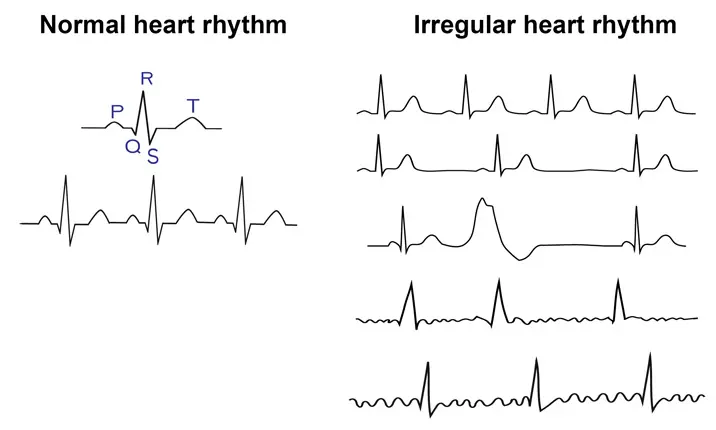
Many conditions can trigger palpitations. Doctors often review your habits, health history, and symptoms to find the cause.
Stress and Anxiety
Stress hormones increase heart rate. Panic attacks can also create pounding or fluttering sensations. Emotional strain often worsens symptoms.
Caffeine and Stimulants
Coffee, tea, energy drinks, nicotine, and some medications may overstimulate the heart. Even small amounts can affect sensitive people.
Dehydration
Low fluid levels reduce blood volume. The heart may beat faster to maintain circulation.
Hormonal Changes
Pregnancy, menopause, thyroid problems, and menstrual changes can alter heart rhythm.
Exercise
Physical activity raises heart rate normally. But sudden racing, dizziness, or chest pain during exercise needs evaluation.
Heart Rhythm Disorders
Arrhythmias cause abnormal electrical signals in the heart. These conditions may need treatment or monitoring.
Other Medical Conditions
Anemia, fever, low blood sugar, sleep apnea, and infections can also trigger palpitations.
When to See a doctor for heart palpitations
You should seek medical care if palpitations happen often, last longer, or worsen over time. Frequent episodes may signal an underlying condition.
See a doctor soon if you notice:
- Shortness of breath
- Dizziness or fainting
- Chest discomfort
- Extreme fatigue
- Irregular heartbeat
- Symptoms during exercise
- Family history of heart disease
Go to emergency care if palpitations occur with chest pain, collapse, severe breathing trouble, or stroke-like symptoms.
Which Doctor Treats Heart Palpitations?
Several healthcare professionals can evaluate palpitations. The right choice depends on your symptoms and health history.
Primary Care Doctor
A family doctor or general physician is often the best first step. They review symptoms, medications, stress levels, and lifestyle habits. They may order basic tests and refer you if needed.
Cardiologist
A cardiologist specializes in heart health. They diagnose rhythm disorders, valve disease, coronary disease, and heart failure. Many people need this specialist if symptoms persist.
Electrophysiologist
This cardiologist focuses on heart rhythm problems. They treat arrhythmias using advanced testing, medication, and procedures.
The best doctor for heart palpitations depends on how severe and frequent your symptoms are.
What to Expect During Your Appointment
Doctors use a step-by-step approach to find the cause of palpitations. Your visit usually starts with a detailed conversation.
Expect questions about:
- When symptoms started
- How long episodes last
- What the heartbeat feels like
- Triggers such as caffeine or stress
- Current medicines and supplements
- Family heart history
- Smoking or alcohol use
- Exercise habits
The doctor will also check blood pressure, pulse, oxygen levels, and heart sounds.
Bring a symptom diary if possible. Note the time, activity, food, and feelings during each episode. This information helps doctors identify patterns.
Tests Doctors Use to Diagnose Palpitations
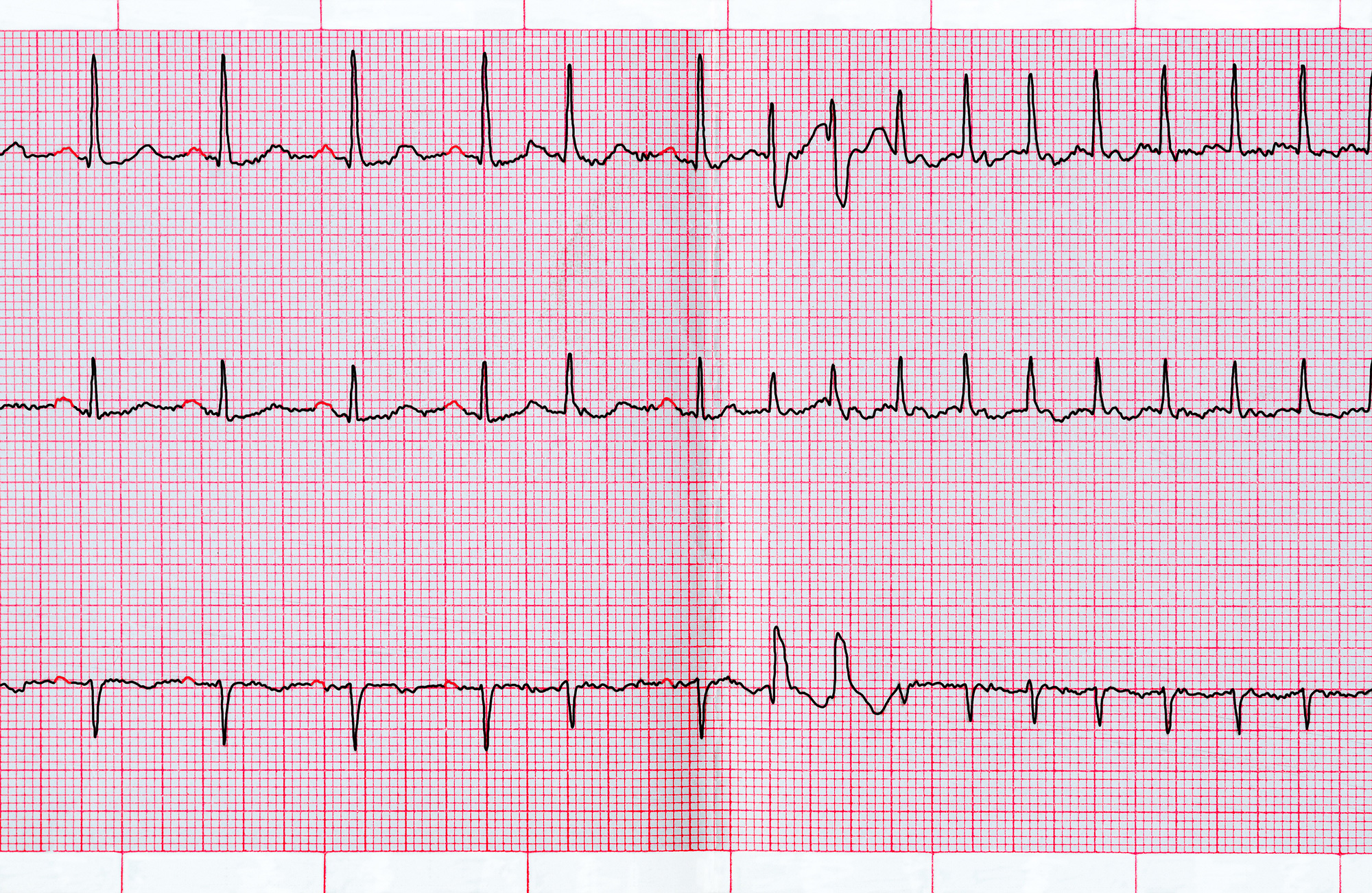
Testing depends on your symptoms. Sometimes routine tests reveal the issue quickly. In other cases, doctors need longer monitoring.
A doctor for heart palpitations may order:
Electrocardiogram (ECG)
This test records heart electrical activity. It can detect rhythm changes, prior damage, or conduction problems.
Holter Monitor
You wear this portable monitor for 24 to 48 hours. It records heart rhythm during normal daily life.
Event Monitor
This device tracks symptoms over several days or weeks. It helps when episodes happen less often.
Echocardiogram
Ultrasound images show heart valves, chambers, and pumping strength.
Blood Tests
Doctors may check thyroid levels, electrolytes, blood count, glucose, and infection markers.
Stress Test
This test monitors the heart during exercise. It helps reveal exercise-related rhythm issues or reduced blood flow.
Treatment Options for Heart Palpitations
Treatment depends on the cause. Some people only need lifestyle changes. Others need medication or procedures.
A doctor for heart palpitations creates a plan based on your diagnosis.
Lifestyle Changes
Doctors often recommend:
- Reduce caffeine intake
- Stop smoking
- Limit alcohol
- Improve sleep quality
- Stay hydrated
- Manage stress
- Exercise regularly
- Eat balanced meals
These changes can reduce episodes significantly.
Medication
Some rhythm issues respond to medicines that slow heart rate or stabilize rhythm. Doctors may also treat thyroid disease, anxiety, or anemia.
Procedures
If medicines fail, specialists may suggest catheter ablation. This procedure targets abnormal electrical pathways.
Emergency Treatment
Severe arrhythmias may need urgent hospital care, cardioversion, or advanced monitoring.
How to Prepare for Your Visit

Preparation helps doctors diagnose symptoms faster. Before your appointment, gather useful details.
Keep a Symptom Record
Write down:
- Time symptoms begin
- Duration
- Heart rate if known
- Triggers
- Other symptoms
- Foods or drinks consumed
Bring Medication Lists
Include prescriptions, supplements, vitamins, and energy products.
Know Your Family History
Heart disease, stroke, sudden death, or rhythm disorders in relatives matter.
Prepare Questions
Good questions include:
- What may cause my symptoms?
- Do I need tests now?
- Are my symptoms dangerous?
- What changes should I make?
- Should I see a specialist?
Can Anxiety Cause Heart Palpitations?
Yes. Anxiety often triggers fast or forceful heartbeats. Stress hormones prepare the body for danger. This reaction can feel intense even when no physical threat exists.
However, never assume anxiety is the only cause. Doctors should rule out medical problems first, especially if symptoms are new or severe.
Stress management tools include:
- Deep breathing
- Regular exercise
- Better sleep habits
- Mindfulness practice
- Counseling support
- Limiting stimulants
When Palpitations Need Immediate Attention
Some symptoms suggest a serious issue. Seek urgent care if palpitations come with:
- Chest pain
- Fainting
- Severe weakness
- Blue lips
- Confusion
- Heavy sweating
- Sudden breathlessness
- Very rapid heartbeat that will not stop
These signs may indicate a dangerous rhythm problem or another emergency.
Preventing Future Episodes
Prevention often starts with daily habits. Many triggers are manageable once identified.
Protect Your Heart Health
- Maintain a healthy weight
- Control blood pressure
- Manage diabetes
- Treat sleep apnea
- Stay active
- Eat less processed food
- Reduce sodium intake
- Attend routine checkups
Avoid Personal Triggers
Some people react strongly to caffeine, nicotine, dehydration, or missed meals. Learn your triggers and reduce them.
Follow Treatment Plans
Take medications as prescribed. Attend follow-up visits and complete recommended testing.
Frequently Asked Questions
Are heart palpitations always dangerous?
No. Many episodes come from stress, stimulants, or dehydration. Still, recurring symptoms need evaluation.
Can young people get palpitations?
Yes. Teenagers and young adults can feel palpitations from anxiety, caffeine, anemia, or rhythm disorders.
Should I exercise with palpitations?
Light activity may be safe for some people. Stop and seek advice if symptoms worsen during exercise.
Can dehydration really cause symptoms?
Yes. Low fluids can increase heart rate and make beats feel stronger.
Final Thoughts
Heart palpitations can feel scary, but many causes are treatable. Do not ignore repeated symptoms or warning signs. Early evaluation helps doctors find the cause and prevent complications. If symptoms continue, book a doctor for heart palpitations and start the path toward better heart health.
READ ALSO: female gallbladder surgery recovery time: Complete Healing Guide for Women