
Introduction Ice Pick Headache Causes
Ice pick headaches are sudden, sharp, stabbing head pains that last only a few seconds but feel intense and alarming. These headaches often appear without warning and can interrupt daily activities, sleep, or focus. Many people worry when they experience these brief but severe pain episodes because they resemble more serious neurological conditions. Understanding the nature of these headaches helps reduce anxiety and supports better management.
Doctors classify these headaches as primary stabbing headaches in many cases, but they may also connect to other underlying conditions. The pain usually occurs around the eyes, temples, or sides of the head. It can happen once or multiple times a day in clusters. Although the episodes are short, they can be frequent enough to affect quality of life.
The exact reasons behind these headaches vary from person to person, and researchers continue to study their neurological mechanisms. Some cases appear linked to nerve irritation, while others relate to migraine disorders or stress-related triggers. In this article, we will explore symptoms, causes, diagnostic approaches, and treatment options in detail. We will also explain how lifestyle factors can influence the frequency and severity of these headaches.
Understanding ice pick headache causes helps patients identify patterns and seek appropriate medical advice when needed.
Understanding Ice Pick Headaches
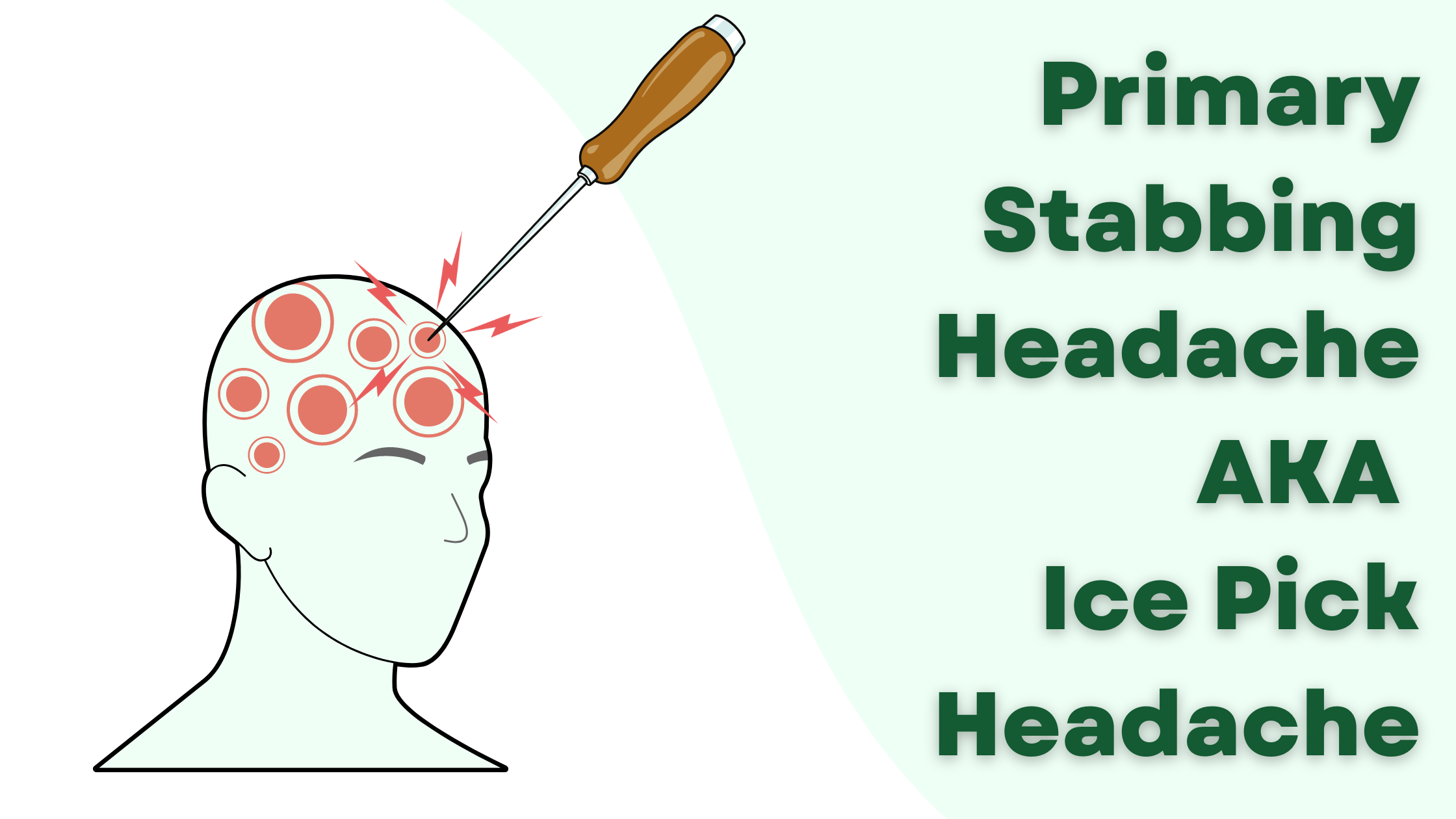
Ice pick headaches feel like a sharp object stabbing the head for a moment. The pain usually lasts between a fraction of a second to several seconds. Despite the short duration, the intensity can feel severe and frightening. Most people experience the pain on one side of the head, although it can switch sides or appear in multiple areas over time.
These headaches often occur unpredictably. Some individuals experience a single jab per day, while others report multiple stabbing sensations in a short period. The condition may occur independently or alongside other headache disorders such as migraines or cluster headaches. People with a history of migraine tend to report these episodes more frequently.
The nervous system plays a key role in this condition. Overactive nerve pathways may send sudden pain signals without an obvious external trigger. In many cases, the condition does not indicate brain damage or a life-threatening issue, but it still requires evaluation to rule out secondary causes.
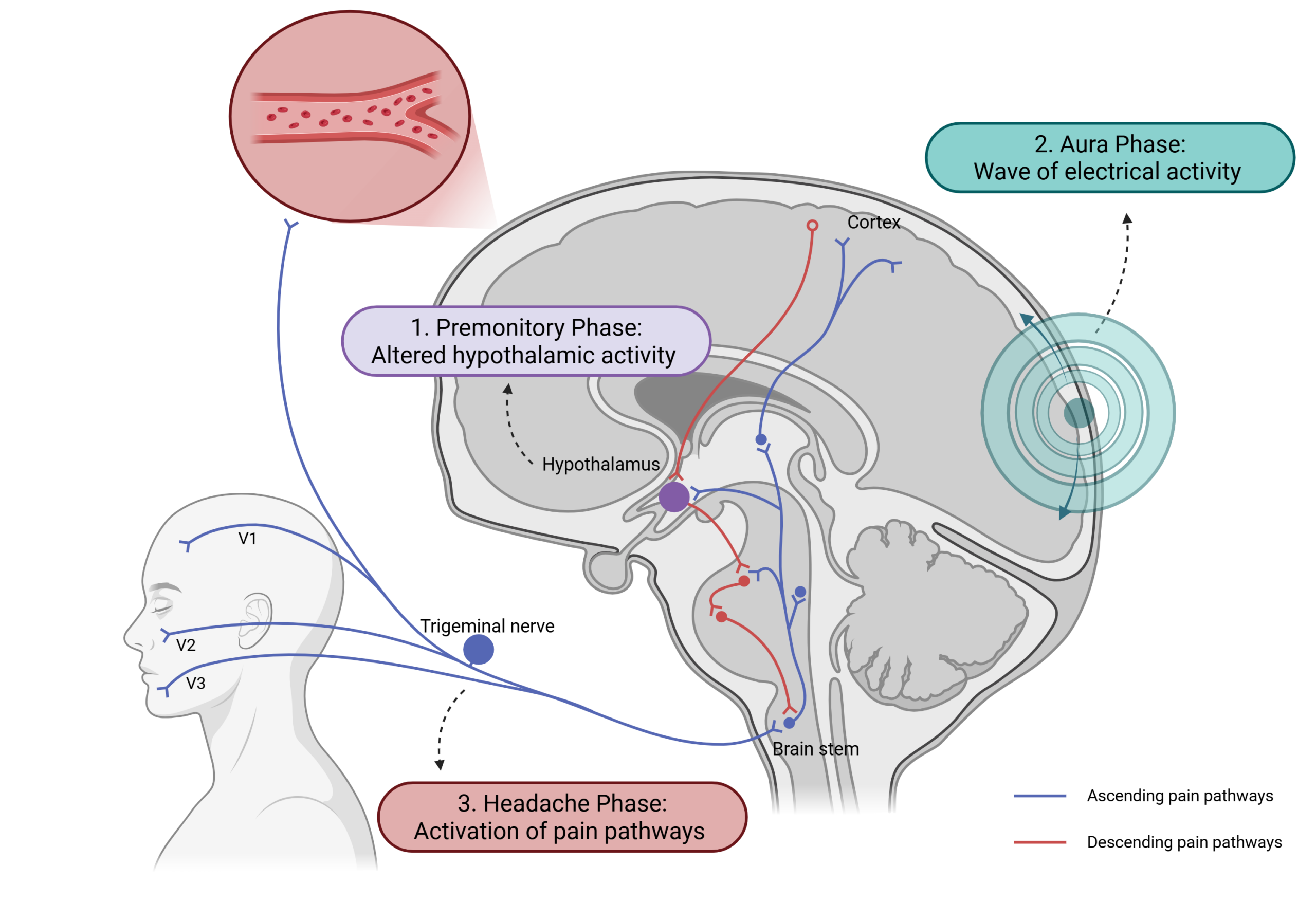
Researchers suggest that irritation of the trigeminal nerve may contribute to the sudden pain signals. This nerve is responsible for sensation in parts of the face and head. When it misfires, it can create intense but brief pain spikes.
Medical professionals continue to explore ice pick headache causes because understanding nerve behavior remains essential for developing better treatments. Although the condition is usually benign, identifying patterns helps improve patient reassurance and long-term management.
Common Triggers and Mechanisms
Several triggers can influence the occurrence of ice pick headaches, even though they often appear without warning. Stress remains one of the most common contributing factors. Emotional pressure can increase nerve sensitivity and lead to sudden pain signals in the head. Lack of sleep also plays a major role, as it disrupts normal brain function and increases neurological irritability.
Environmental changes may also trigger episodes. Bright lights, loud noises, and strong smells can stimulate sensory nerves and increase the likelihood of a stabbing headache. Some individuals notice a pattern during weather changes, especially when atmospheric pressure drops.
Dietary factors may contribute as well. Caffeine overuse or withdrawal can increase headache frequency. Skipping meals or dehydration can also affect brain stability and trigger pain episodes in sensitive individuals. These factors do not cause the condition directly but can worsen symptoms.
Neurological hypersensitivity is another key mechanism. In this state, the brain becomes more reactive to normal sensory input. As a result, the trigeminal nerve may fire pain signals spontaneously, even without a clear external reason.
Researchers continue studying ice pick headache causes to understand why certain people have more sensitive nerve responses than others. Genetics, migraine history, and nervous system health all appear to influence susceptibility. Identifying triggers helps patients reduce the frequency of episodes and improve daily comfort.
Primary Causes Explained

Primary causes of ice pick headaches refer to cases where no underlying disease explains the condition. In these situations, the headache occurs as a standalone neurological issue. Doctors often categorize these cases as primary stabbing headaches.
One leading theory involves dysfunction in brain pain regulation systems. The brain normally filters pain signals and prevents unnecessary alerts. In some individuals, this system may become unstable, allowing brief but intense pain spikes to occur.
Another possible cause involves irritation of cranial nerves, especially the trigeminal nerve. This nerve controls sensation in the face and head. When it becomes hypersensitive, it can generate sudden stabbing sensations that last only seconds.
Migraines also play a role in many cases. People who suffer from migraines often experience overlapping symptoms, including brief stabbing pains between migraine attacks. This suggests a shared neurological pathway between both conditions.
Hormonal fluctuations may also influence headache activity. Changes in hormone levels can affect nerve sensitivity and brain chemical balance, increasing the likelihood of sudden pain episodes.
Doctors studying ice pick headache causes continue to examine how brain chemistry contributes to these episodes. Neurotransmitters such as serotonin may play a role in pain regulation. When these chemicals fluctuate, they may increase the risk of sudden headache spikes.
Although primary causes do not indicate serious disease, they still require proper diagnosis to rule out secondary conditions. Understanding these mechanisms helps doctors choose effective treatment strategies.
Secondary Medical Conditions
Secondary causes occur when ice pick headaches result from an underlying medical issue. Although this is less common, doctors must carefully rule out these possibilities during diagnosis. Conditions such as temporal arteritis, nerve disorders, or structural brain issues may sometimes produce similar symptoms.
Eye-related problems can also contribute to sharp head pain. Conditions like glaucoma increase pressure in the eye, which can trigger stabbing sensations around the forehead and temples. Sinus infections may also cause referred pain that feels similar to ice pick headaches.
Neurological disorders such as multiple sclerosis can occasionally produce brief stabbing head pains due to nerve damage or inflammation. In such cases, additional symptoms like weakness, vision changes, or coordination issues may also appear.
Head injuries may also lead to secondary stabbing headaches. Trauma can irritate cranial nerves and create long-term sensitivity in pain pathways. This may result in recurring sharp pain episodes even after the injury heals.
Doctors take secondary causes seriously because treatment depends on identifying the underlying condition. Imaging tests such as MRI or CT scans may help rule out serious neurological issues.
When evaluating ice pick headache causes, healthcare providers always consider both primary and secondary possibilities. This ensures accurate diagnosis and prevents missed medical conditions that may require immediate treatment.
Diagnosis Methods
Doctors diagnose ice pick headaches primarily through clinical evaluation. They begin by reviewing the patient’s medical history and symptom patterns. Patients usually describe brief, sharp stabbing sensations that last only seconds and occur unpredictably.
Neurological examinations help doctors assess nerve function and rule out abnormalities. In most cases, the neurological exam appears normal, which supports a primary headache diagnosis. However, if symptoms suggest another condition, further testing becomes necessary.
Imaging tests such as MRI scans help exclude structural brain issues. These scans provide detailed images of brain tissue and can detect tumors, lesions, or nerve abnormalities. Blood tests may also be used to rule out inflammation or infection.
Doctors often ask patients to maintain a headache diary. This helps track frequency, duration, and possible triggers. Over time, patterns may emerge that support a more accurate diagnosis and treatment plan.
Because many conditions mimic similar symptoms, careful evaluation is essential. Medical professionals study ice pick headache causes closely during diagnosis to differentiate between harmless nerve activity and more serious conditions.
Accurate diagnosis provides reassurance and guides effective treatment strategies. It also helps patients avoid unnecessary anxiety about their symptoms.
Treatment and Prevention
Treatment for ice pick headaches depends on frequency and severity. Many people do not require medication if episodes occur rarely. In frequent cases, doctors may prescribe medications that stabilize nerve activity.
Indomethacin is one commonly used medication for preventing stabbing headaches. It helps reduce inflammation and nerve sensitivity. Some patients respond well to low doses taken regularly under medical supervision.
Lifestyle changes also play an important role in prevention. Maintaining a regular sleep schedule helps stabilize brain activity and reduce nerve irritability. Staying hydrated and eating balanced meals also supports neurological health.
Stress management techniques such as meditation, breathing exercises, and light physical activity can reduce headache frequency. Avoiding known triggers like excessive caffeine or bright flashing lights can also help.
In some cases, migraine treatments may reduce symptoms if the headaches overlap with migraine conditions. Doctors may prescribe preventive migraine medications to stabilize brain chemistry.
Understanding ice pick headache causes allows patients to take proactive steps toward reducing episodes. Combining medical treatment with healthy lifestyle habits often produces the best results. Over time, many individuals experience fewer and less intense stabbing headaches with proper management.
Conclusion
Ice pick headaches may feel alarming due to their sudden and intense nature, but they are often harmless when no underlying condition exists. These brief stabbing pains usually result from nerve hypersensitivity or neurological misfiring rather than serious disease.
Doctors continue to study ice pick headache causes to improve diagnosis and treatment options. While triggers such as stress, sleep disturbances, and sensory overload may influence episodes, each individual experiences the condition differently.
Proper evaluation helps rule out secondary causes and provides peace of mind. With accurate diagnosis, patients can manage symptoms effectively through medication, lifestyle adjustments, and trigger control.
Although the pain lasts only seconds, its impact on daily life can feel significant. Understanding the condition empowers individuals to take control of their health and reduce anxiety about sudden headache episodes.